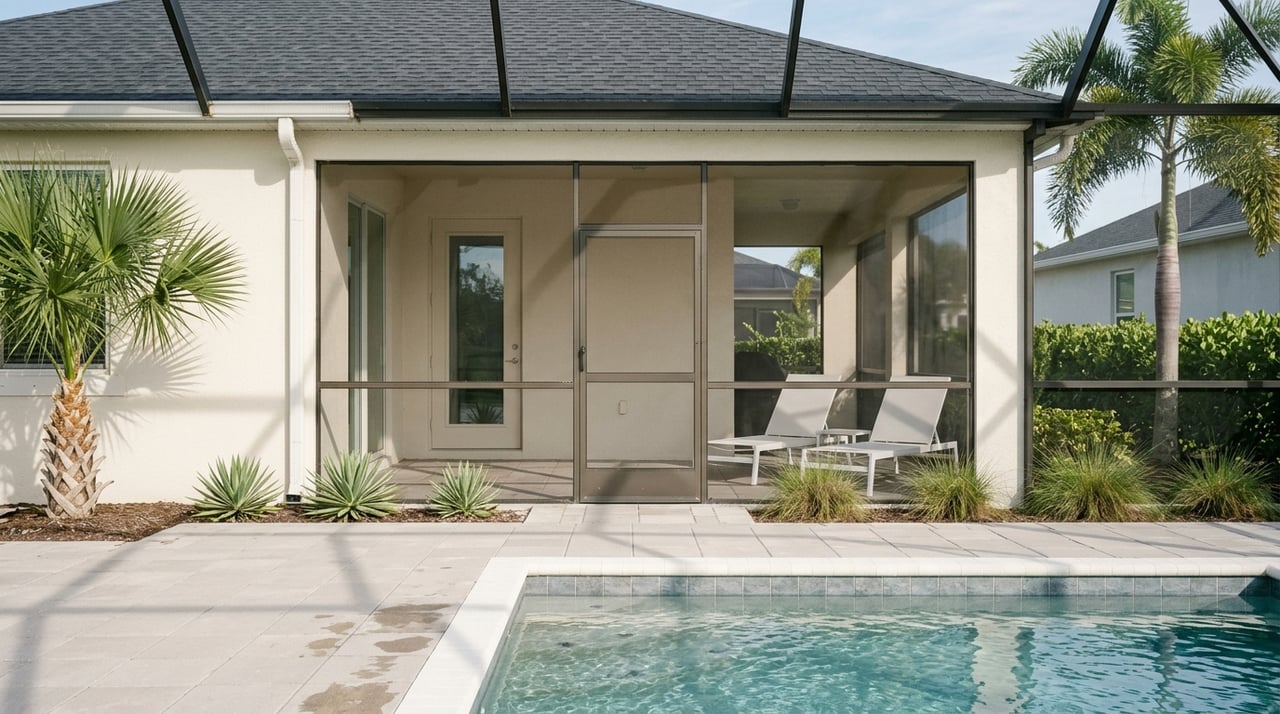
If you have been thinking about a Florida getaway without the price tag of some larger coastal markets, Polk County deserves a serious look. You may want a place for weekends, seasonal living, or occasional family escapes, but you also need the numbers and rules to make sense. The good news is that Polk County offers a strong mix of central location, lake access, and comparatively lower home prices, with a few planning details you should understand before you buy. Let’s dive in.
Why Polk County fits a second home
Polk County stands out because of where it sits in Central Florida. According to Visit Central Florida’s location overview, the county is in the I-4 corridor, less than an hour from Tampa and Orlando, and within roughly an hour of both Gulf and Atlantic beaches. That gives you flexibility if you want a home base for weekends, seasonal stays, or visits tied to work, family, or attractions.
You also get a lifestyle that feels more relaxed and water-focused than many buyers expect. Polk County says it has about 550 lakes covering more than 93,000 acres, which helps explain why so many second-home shoppers look here for boating, fishing, and time outdoors. For many buyers, that lake access is a major part of the appeal.
Affordability is another reason buyers pay attention to this area. Florida Realtors data shows a January 2026 statewide median sale price of $405,000 for single-family homes, compared with $265,500 in the Lakeland-Winter Haven MSA, which corresponds to Polk County. Prices always vary by neighborhood, condition, and waterfront location, but the broader gap suggests Polk County can be a lower-cost entry point into Florida second-home ownership.
Best second-home settings in Polk County
Winter Haven lake areas
If you picture your second home near the water, Winter Haven often rises to the top of the list. Visit Central Florida’s guide to marine recreation highlights the Chain of Lakes, along with pontoon rentals, lakeside restaurants, parks, and boating access that support an easy weekend-home lifestyle. That kind of setup can work well if you want recreation nearby without needing a long vacation to enjoy it.
The big advantage here is usability. You can come in for a few days, get out on the water, enjoy local dining, and make the most of your time without a lot of extra driving. For buyers who want a true retreat that still feels connected, this part of Polk County checks many boxes.
Lake Wales and nature-oriented areas
Some buyers want less activity and more breathing room. Near Lake Wales, Lake Kissimmee State Park offers camping, hiking, kayaking, birding, and access to Lakes Kissimmee, Tiger, and Rosalie. That setting may appeal to you if your ideal second home is centered on nature, outdoor recreation, and quieter downtime.
This type of location can be especially appealing if you are not looking for a resort-style environment. Instead, you may want a place where you can unplug, host family visits, and enjoy Polk County’s outdoor side at your own pace.
What to check before buying lakefront
Lakefront homes can be beautiful, but they also require a little more due diligence. Water access, shoreline improvements, and boating use are not always as simple as they appear in listing photos. Before you close, it is smart to confirm what is allowed at the specific property.
Polk County approved designated swim areas and vessel exclusion zones in 2025 on parts of Lake Winterset, Lake Clinch, and Lake Ariana. That does not mean lakefront ownership is a problem. It simply means you should verify local lake-use rules, dock considerations, and any property-specific restrictions before moving forward.
A practical checklist includes:
- Confirming the exact water frontage and access rights
- Reviewing HOA or condo rules, if applicable
- Checking dock, shoreline, and boating limitations
- Looking at flood risk before you finalize financing and insurance
- Getting insurance quotes early, not after contract deadlines approach
Understand taxes on a second home
One of the biggest planning mistakes buyers make is assuming a second home gets the same tax treatment as a primary residence. In Florida, homestead exemption is tied to a property that is your permanent residence. The Florida Department of Revenue and Polk County guidance make clear that this exemption is generally meant for your primary home, not a vacation property or part-time residence.
Polk County notes that a homestead exemption can reduce taxable value by up to $50,000, but that benefit usually does not apply to a second home. If you are comparing monthly ownership costs, this is important to factor in from the start. A home that looks affordable at first glance may carry a different tax picture when it is not your primary residence.
Know the rental rules before you buy
If you plan to use the home part of the year and rent it out at other times, you need to understand the county requirements before listing it. In Polk County, short-term rentals of six months or less require a Class B local business tax receipt for each rental location. The county also states that the tourist development tax rate is 5% on transient accommodations.
There can be different treatment for infrequent rental activity, so the details matter. Your exact rental plan could affect what registrations or taxes apply. If part-time rental income is part of your strategy, this is worth clarifying early so you buy the right property for your intended use.
Insurance matters more than many buyers expect
Florida insurance deserves close attention, especially for second homes and waterfront properties. Standard homeowners insurance usually does not cover flood damage. The Florida CFO’s guidance also warns that many homeowners policies include a separate hurricane deductible of 2% to 5% of insured value, which can significantly affect your out-of-pocket costs after a storm.
Flood insurance may also come into play depending on the property’s location and your financing. FEMA explains that flood insurance is available to property owners, renters, and businesses, and it is required for many buildings in Special Flood Hazard Areas when a government-backed lender is involved. FEMA also notes that National Flood Insurance Program policies usually have a 30-day waiting period, so this is not something you want to handle at the last minute.
Before you make an offer, it is wise to:
- Check the property’s flood risk
- Review the FEMA homeowner flood-risk resources
- Ask for insurance quotes based on the exact address
- Understand the hurricane deductible on any policy you are considering
- Budget for insurance as part of your full monthly and annual ownership cost
A smart second-home buying strategy
Buying a second home in Polk County is usually not just about finding a house you like. It is about matching the property to how you will actually use it. A lakefront getaway, a seasonal retreat, and a part-time rental can all require different research and planning.
A smart approach usually looks like this:
- Define your use first. Decide whether the home is mainly for personal use, seasonal stays, or occasional rental income.
- Narrow your location. Focus on areas that match your lifestyle, whether that means the Winter Haven Chain of Lakes or a quieter setting near Lake Wales.
- Verify the real carrying costs. Look at taxes, insurance, maintenance, and any association fees.
- Review restrictions early. Confirm rental rules, lake-use regulations, and any community guidelines.
- Buy with a long view. Choose a property that works for your needs now and still makes sense a few years from today.
Why local guidance helps
Second-home buyers often come into Polk County because they see the lifestyle value first. That makes sense, but the practical side matters just as much. Tax treatment, flood considerations, rental compliance, and lake-specific rules can all affect whether a property is truly the right fit.
That is where local, boots-on-the-ground guidance can make a real difference. When you have someone helping you compare locations, understand property details, and spot questions to ask before you commit, you can move forward with more confidence. If you are exploring second-home options in Polk County, connect with Brian Stephens for practical local insight and personalized guidance.
FAQs
Can a second home in Polk County qualify for homestead exemption?
- Usually no. The Florida Department of Revenue ties homestead exemption to a permanent primary residence rather than a second home.
Can you rent out a second home in Polk County part-time?
- Possibly, but short-term rentals of six months or less may require a county local business tax receipt, and tourist development tax rules may apply.
What should buyers check first on a Polk County lakefront second home?
- Start with flood risk, insurance costs, and any property-specific lake, dock, HOA, or condo rules. FEMA’s homeowner flood-risk page is a helpful starting point.
Is Polk County more affordable than many Florida second-home markets?
- Broadly, yes. Florida Realtors data shows the Lakeland-Winter Haven MSA median sale price below the statewide single-family median, though prices still vary by area and property type.
Why do buyers choose Polk County for a second home?
- Many buyers are drawn to the county’s central location, access to lakes, and easier reach to Tampa, Orlando, beaches, and attractions, as outlined by Visit Central Florida.