Love the character of Lake Morton but not sure which home style fits you best? Buying an older Lakeland home is exciting, and it comes with smart questions about layout, upkeep, and renovation costs. In this guide, you’ll see the most common Historic Lake Morton styles, what they mean for daily living and maintenance, and how to plan upgrades with confidence. You’ll also get practical checklists to make sure you buy the right house for your lifestyle and budget. Let’s dive in.
A quick neighborhood snapshot
Historic Lake Morton is a mature Lakeland neighborhood with early to mid 20th century homes, plus some post‑war options. You’ll find Craftsman bungalows, Florida cottages, Minimal Traditional houses with Colonial Revival touches, and mid‑century ranch homes.
Historic status can vary by property. If you are planning exterior changes, verify whether your home lies in a local historic district through the City of Lakeland’s Planning and Historic Preservation staff. Local designation may require a Certificate of Appropriateness for exterior work. A National Register listing by itself does not limit owner actions, though income‑producing properties can sometimes qualify for incentives when rehabilitation follows standards.
Because the neighborhood sits near the lake, check FEMA and Polk County floodplain maps to understand flood risk and potential flood insurance requirements. Any renovation must meet the Florida Building Code, and you should also confirm permitting history with Polk County. Insurance availability and wind coverage can vary in Florida, so plan your budget with those realities in mind.
The home styles you will see
Craftsman and bungalow
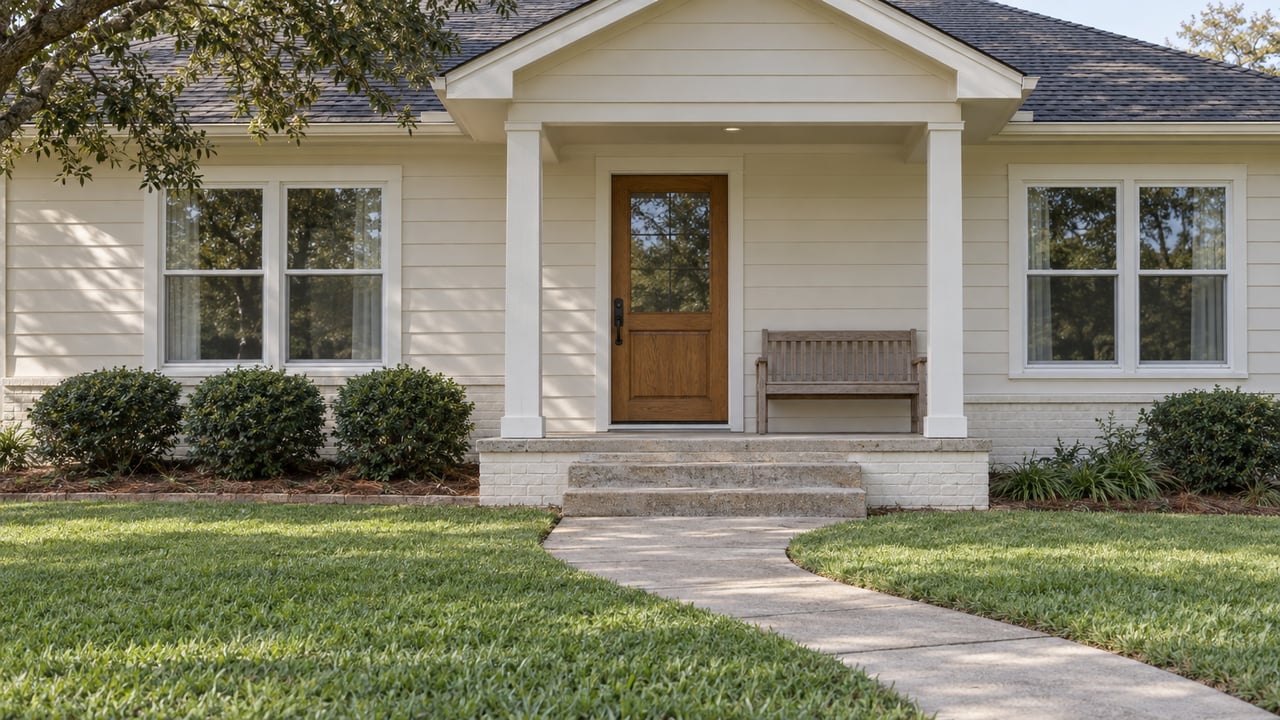
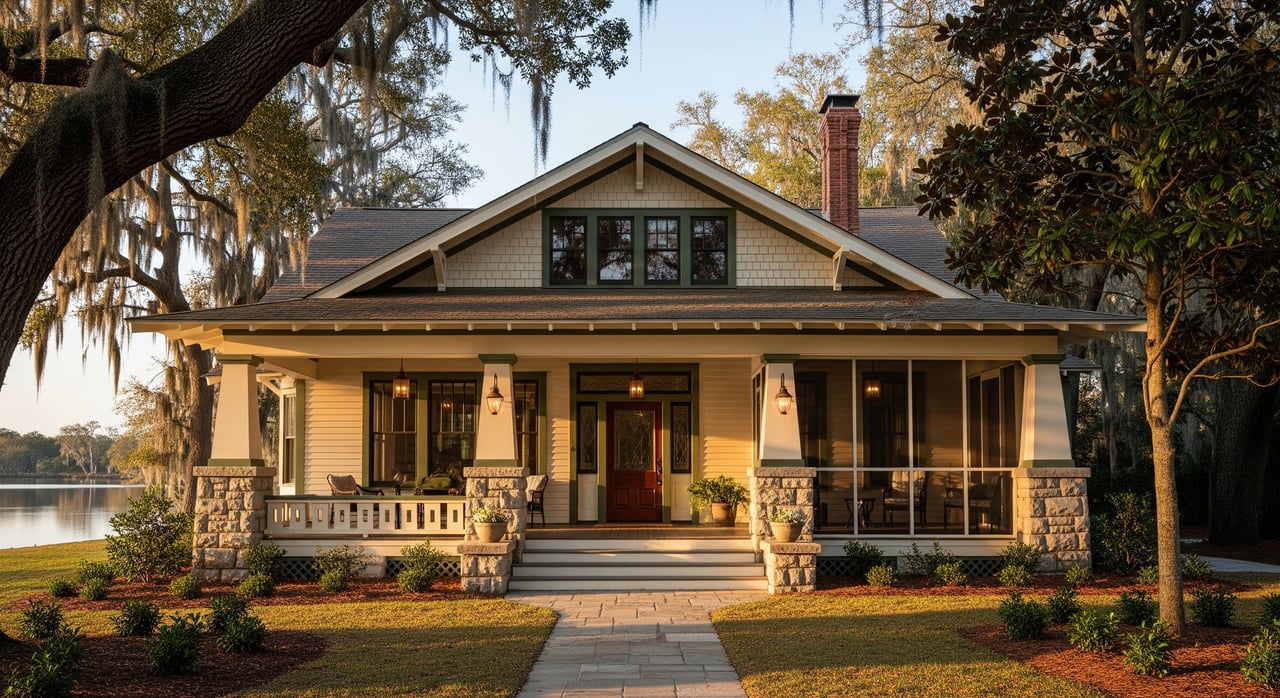
These beloved homes often date from the early 1900s through the 1930s. You’ll notice low‑pitched gabled roofs, exposed rafters, tapered porch columns, and welcoming front porches.
- What you will notice: One to one‑and‑a‑half stories, separate living and dining rooms, hardwood floors, and built‑ins.
- Plan for: Smaller kitchens and baths, potential older plumbing or electrical, and frequent porch and trim maintenance in Florida humidity.
- Renovation ideas: Open the kitchen to living spaces, enlarge baths, and convert attic space if the structure and code allow. Preserve original woodwork and windows when possible to keep character and buyer appeal.
- Best fit: Buyers who value walkability, porch life, and vintage charm, and who are ready to invest in kitchen and bath updates.
Frame vernacular and Florida cottage
These climate‑smart homes were built from the early 1900s into the 1940s. Expect simple wood‑frame construction, sometimes on raised foundations, and practical porches for shade.
- What you will notice: Compact, efficient floor plans with small rooms and outdoor living areas.
- Plan for: Foundation settling or rot in older wood, minimal insulation, and limited HVAC ducting. Termite checks are essential.
- Renovation ideas: Improve shading and ventilation, add insulation, and update systems. Some homes may need foundation work, which can be a major cost line.
- Best fit: Buyers who want a cozy footprint, lower purchase prices than larger homes, and energy upgrades that respect the original form.
Minimal Traditional and Colonial Revival elements
Built mainly from the 1930s through the 1950s, these homes bridge classic and modern tastes. You may see simplified classical details and slightly larger footprints than earlier bungalows.
- What you will notice: Formal room separation, modest kitchens, and sometimes early attached garages.
- Plan for: System updates similar to older homes, plus layout rework if you prefer more open living.
- Renovation ideas: Open up between kitchen, dining, and living rooms, refresh baths, and add storage to meet modern needs.
- Best fit: Buyers who want traditional curb appeal with the flexibility to create semi‑open plans inside.
Mid‑century ranch and modern
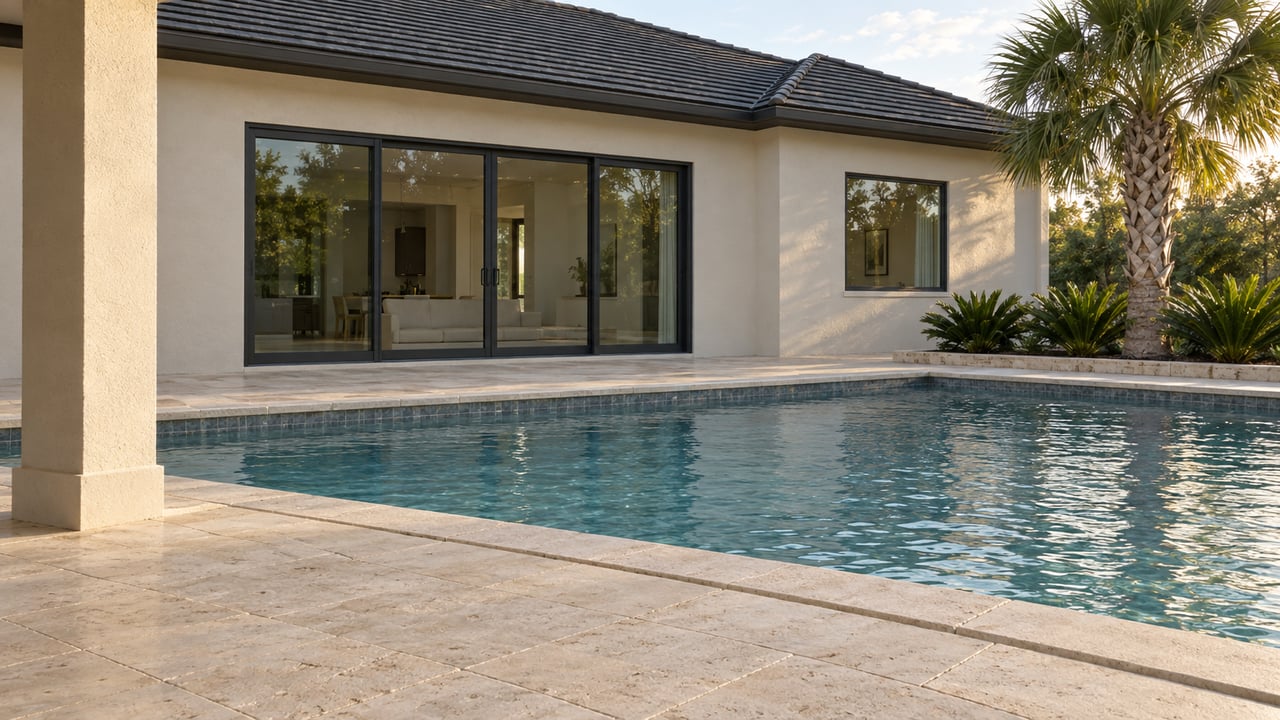
Built from the 1940s into the 1960s, these single‑story homes favor horizontal lines and indoor‑outdoor living. Many have carports or attached garages and larger setbacks.
- What you will notice: More open plans, larger mid‑century kitchens, and larger glass areas.
- Plan for: Slab‑on‑grade plumbing updates if galvanized or cast‑iron pipes are present, and roof improvements for wind resistance on low‑pitch or flat sections.
- Renovation ideas: Create spacious great rooms, replace or restore mid‑century windows with impact‑rated options, and modernize kitchens while keeping period character.
- Best fit: Buyers who want easier layout changes, single‑level living, and the option to blend modern finishes with mid‑century style.
Other styles you might spot
You may see Mediterranean Revival, Colonial Revival, or hybrid designs. Their upkeep and upgrade patterns often mirror the styles above. Focus on roof condition, window performance, and system modernization to balance character with livability.
Layout and living expectations
Most historic Lake Morton homes were not built with today’s oversized kitchens or primary suites. Expect smaller baths, fewer closets, and separate rooms. If you want multiple full baths, a large home office, or bigger common areas, look for larger mid‑century homes or properties that already have permitted additions.
Porches and sidewalks are part of the lifestyle here. Many homes encourage front‑porch gatherings and neighborhood strolls. Rear additions are possible on some lots, but consider how they affect yard space and mature trees.
Florida‑specific upkeep to budget for
Older Florida homes reward regular care. Build a plan around the issues most common in Lakeland’s climate:
- Termites and wood‑destroying organisms. Schedule routine inspections and look for documented treatments.
- Humidity, mold, and wood rot. Ensure proper ventilation, roof flashing, and drainage to keep moisture out of walls and floors.
- Roofing conditions. Composition, tile, or metal roofs can reach end‑of‑life. Roof health is a key inspection item.
- Storm and wind risk. Even inland, Lakeland can see tropical storms. Consider wind mitigation upgrades for roofs and windows.
- Flood risk near the lake. Check FEMA and local floodplain maps, and price in flood insurance if required.
- Energy efficiency. Older homes often have minimal insulation, single‑pane windows, and older HVAC systems that raise operating costs.
Inspection and due diligence checklist
A focused pre‑purchase process helps you buy with confidence. Use this checklist to evaluate condition and history:
- Hire licensed specialists. Start with a general home inspector, then add a pest inspector. Bring in a structural engineer for settling or foundation concerns, plus HVAC, plumbing, and electrical evaluations as needed.
- Request records. Ask for permits for additions or major work, previous inspection reports, HVAC service history, and termite treatment certificates.
- Verify rules. If the home is in a local historic district, exterior changes may require City of Lakeland review and a Certificate of Appropriateness.
- Confirm permits and utilities. Check Polk County permitting history and property tax records. Verify whether the property is on city sewer or a septic system.
- Assess flood exposure. Cross‑check FEMA and Polk County maps and factor in potential flood insurance costs.
Financing, insurance, and rules to plan for
Older homes can still be great loan candidates, but you should anticipate a few extra steps:
- Lender requirements. If there is deferred maintenance or unsafe systems, your lender may require repairs before closing. FHA minimum property standards can trigger fixes.
- Insurance realities. Florida homeowners insurance can be costly. Older roofs, lack of wind mitigation features, and proximity to water can affect eligibility and premiums.
- Flood insurance. Lenders may require flood coverage if the property is in a Special Flood Hazard Area.
- Historic incentives. Federal historic tax credits are typically for income‑producing properties, and local incentives vary. Confirm current programs with the City of Lakeland and the Florida Division of Historical Resources.
Renovation road map that works
Most vintage homes follow a predictable upgrade sequence. Prioritize the items below to protect your investment and comfort.
- Structural and exterior envelope
- Roof repair or replacement, foundation stabilization, termite remediation, and drainage improvements.
- Systems modernization
- Upgrade electrical panels to handle modern loads, rewire if you find hazardous or outdated wiring, replace older plumbing, and install efficient HVAC with sealed ducts.
- Moisture and insulation
- Add insulation, improve vapor control, and ensure mechanical ventilation to manage Lakeland’s humidity.
- Windows and doors
- Consider impact‑rated units or approved storm protection. Historically sensitive replacements can preserve curb appeal and meet code.
- Kitchens and bathrooms
- Expect these to be the most transformative projects. When you open walls, plan contingency budget for hidden electrical and plumbing updates.
Which style fits your lifestyle
Not every buyer needs the same things. Here is a quick guide to help match your priorities with the right homes.
- First‑time buyer who wants character with manageable upkeep. Look for smaller bungalows or cottages that already have updated systems and kitchens, with room for cosmetic improvements later.
- Move‑up buyer who needs more space. Consider larger bungalows with attic conversion potential or mid‑century ranches where open plans and additions are easier.
- Low‑maintenance seeker. Target homes with recent roof, modern HVAC, updated electrical, and impact‑rated windows, or well‑renovated mid‑century homes on slab foundations.
- Investor renovating for resale or rental. Focus on structurally sound bungalows and cottages with permit history and strong porch presence. Kitchens and baths drive value, but always confirm code compliance.
Ready to explore homes around Lake Morton?
You deserve a clear plan and a home that fits how you live. With deep local experience and construction‑informed guidance, we help you weigh style, layout, inspection results, and renovation costs so you can move forward with confidence. If you are considering a sale, we also provide professional marketing, staging, and video tours to maximize your results.
Have questions about a specific property or need a walkthrough plan for your upgrade ideas? Reach out to Brian Stephens to get local, construction‑savvy advice and a step‑by‑step path from first showing to closing.
FAQs
What are the most common Historic Lake Morton home styles?
- Craftsman bungalows, Florida cottages, Minimal Traditional homes with Colonial Revival elements, and mid‑century ranch homes are the most frequent.
Do Historic Lake Morton homes require special approvals for exterior changes?
- Some do if they fall within a local historic district, so verify with the City of Lakeland whether a Certificate of Appropriateness is required.
How should I budget for roof and window upgrades in Lake Morton homes?
- Plan for roof evaluation early, then consider impact‑rated windows or approved storm protection to meet code and improve insurance eligibility.
Are flood insurance and wind mitigation common concerns near Lake Morton?
- Yes, proximity to the lake can place some properties in mapped flood zones, and wind mitigation features often affect insurance options and costs.
Which Lake Morton styles are easiest to open up for modern living?
- Mid‑century ranches often adapt well to open plans, while many bungalows can open kitchen walls and even add attic conversions with the right structure.
What records should I request before I make an offer on a Lake Morton home?
- Ask for permits for major work, past inspection reports, HVAC service records, termite treatment certificates, and any flood zone documentation.