Thinking about leaving your current state for Central Florida? Polk County often lands on the shortlist because it gives you more breathing room than many Florida markets, while still keeping you connected to both Tampa and Orlando. If you want a clearer picture of what daily life, housing, costs, and local options really look like before you make the move, this guide will help you sort through the essentials. Let’s dive in.
Why Polk County draws out-of-state buyers
Polk County sits along the I-4 corridor between Tampa and Orlando, with major connections that also include US 27 and SR 60. Visit Central Florida notes the county is less than an hour from both metro areas, which is a big reason many relocating buyers see it as a practical home base.
It is also a large and growing county. In 2024, Polk County had an estimated population of 852,878, along with 364,796 housing units and a 70.5% owner-occupied housing rate. The county recorded 10,384 building permits in 2024, which points to an active housing market with both resale and newer-construction options in the mix.
For many buyers, cost is part of the appeal. The county’s median owner-occupied home value was $266,500 in 2024, compared with Florida’s statewide median of $359,000. That does not mean every area or price point feels inexpensive, but it does give you useful context if you are comparing Polk County to higher-priced parts of Florida.
What daily life feels like here
If you are coming from a four-season climate, the adjustment is real. Lakeland Linder’s 1991 to 2020 climate normals show an annual average temperature of 73.9°F, with average highs of 84.4°F and average lows of 63.5°F. Annual precipitation is 56.82 inches, and summer is the wettest time of year.
In plain terms, you should expect heat, humidity, and regular rain patterns that shape how people live. Outdoor time matters here, but so does planning around weather, shade, and indoor-outdoor living spaces.
Storm season should also be part of your relocation planning. The Atlantic hurricane season runs from June 1 through November 30. Even though Polk County is inland, it still makes sense to think ahead about storm readiness, home systems, and seasonal routines before you buy.
Polk County’s lake-centered lifestyle
One thing many out-of-state buyers notice quickly is that Polk County’s lifestyle is tied more to lakes and outdoor access than to beach living. Lakeland says it has 38 named lakes within city limits and monitors 15 major lake systems. Winter Haven describes itself as home to more than 50 lakes.
That local setting shapes everyday life. Depending on where you land, you may find yourself prioritizing lake views, trails, birding, boating, or easy access to parks and water-based recreation. If your picture of Florida living includes being outside often, Polk County gives you a very different experience than a dense urban market.
Comparing Lakeland, Winter Haven, and Bartow
Most out-of-state buyers start by comparing Lakeland, Winter Haven, and Bartow. Each one offers a different rhythm, housing mix, and sense of place.
Lakeland at a glance
Lakeland is the county’s largest city, with a 2024 population of 124,990. It sits along I-4 between Tampa and Orlando and often functions as the broadest day-to-day hub for shopping, services, healthcare, work, and commuting.
Lakeland also has a visible historic housing presence. The city says about 6% of residents live in a historic district, and it highlights architectural styles such as Craftsman bungalows and modern masonry vernacular. Some neighborhood materials also reference Tudor, Spanish Revival, and minimal traditional homes.
If you want more variety in housing style, central access, and a city with a strong lake network, Lakeland is often the first place to explore. Its median owner-occupied home value was $249,400, which places it below the countywide median.
Winter Haven at a glance
Winter Haven had a 2024 population of 59,975 and is the county’s second-largest city. Its local identity is closely tied to the Chain of Lakes, lakeside dining, and major attractions like LEGOLAND Florida Resort and Peppa Pig Theme Park Florida.
For many relocating buyers, Winter Haven feels especially tied to water, recreation, and a laid-back Central Florida lifestyle. It does not lean as heavily on a historic-core identity as Lakeland or Bartow. Instead, it often appeals to buyers who want lake-oriented living and access to entertainment and outdoor amenities.
Winter Haven’s median owner-occupied home value was $269,800. That puts it slightly above Lakeland on this measure.
Bartow at a glance
Bartow had a 2024 population of 22,084 and serves as the county seat. It has a smaller scale than Lakeland or Winter Haven, and its identity is strongly rooted in history and architecture.
The city calls itself the City of Oaks and Azaleas and notes that it includes many historic homes built in the late 19th and early 20th centuries. Bartow also has three districts on the National Register of Historic Places and maintains a Historic Architectural Review Board.
If you are drawn to a more heritage-oriented setting with a smaller downtown feel, Bartow may be worth a closer look. Its median owner-occupied home value was $210,400, which was lower than both Lakeland and Winter Haven.
What kinds of homes you’ll find
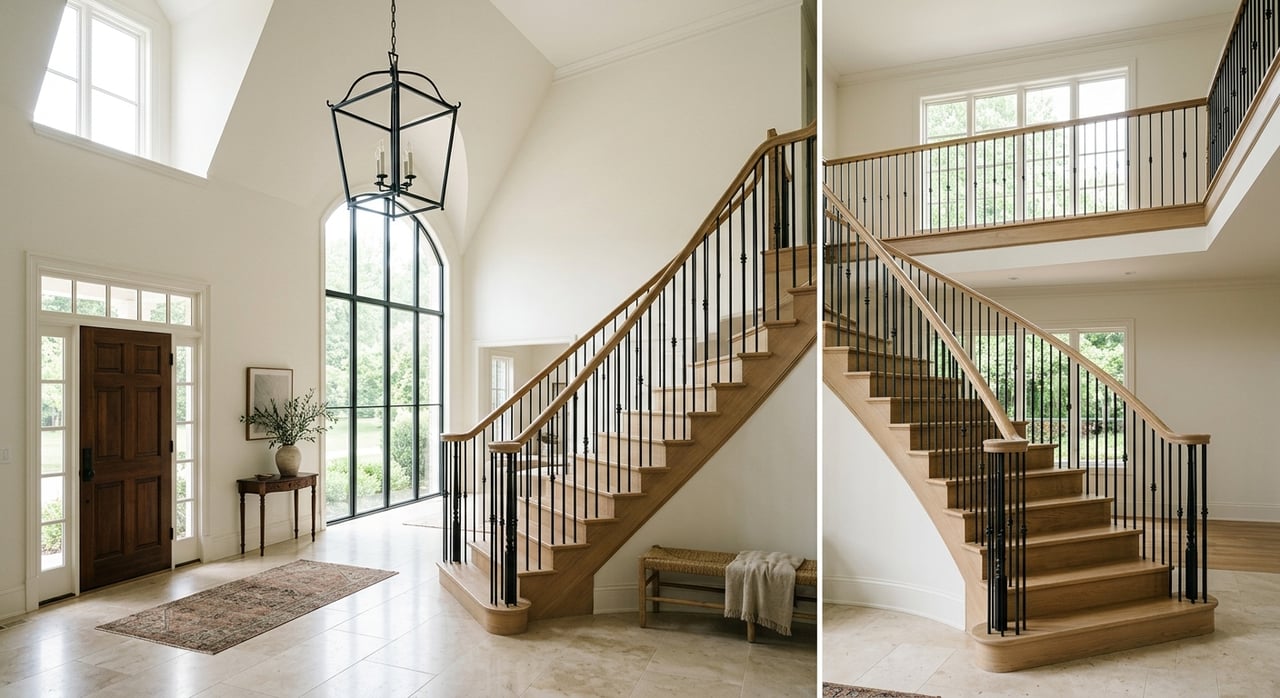
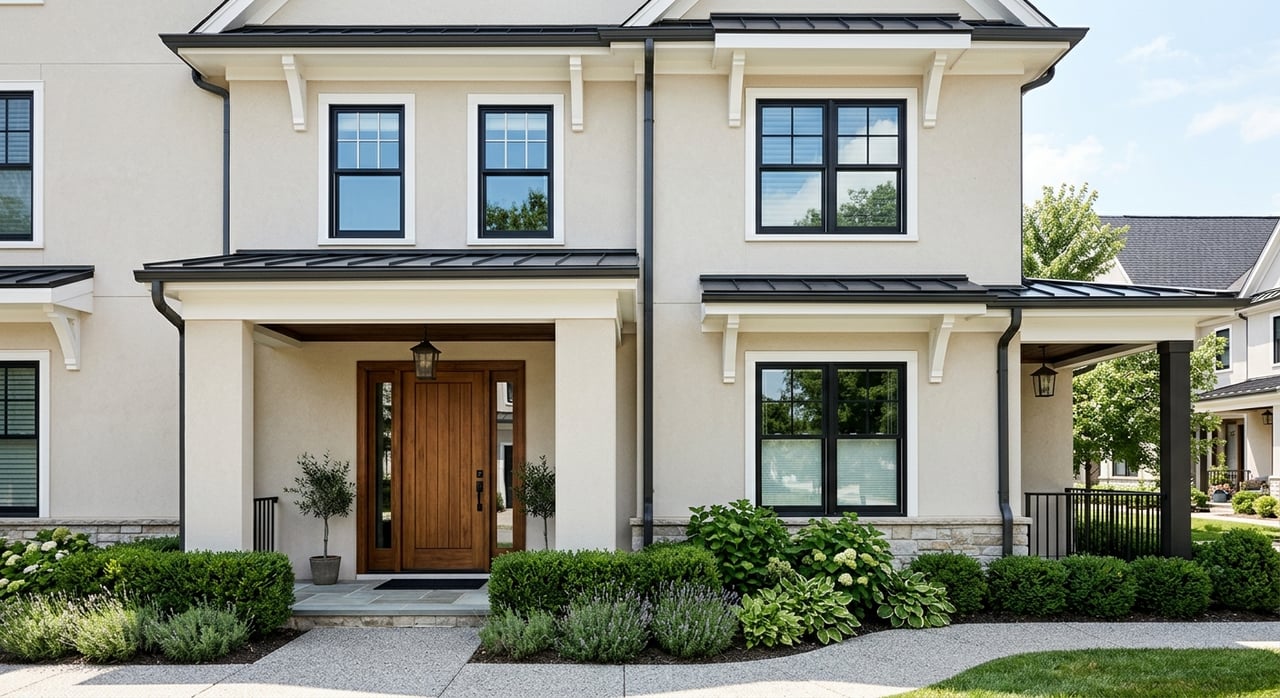
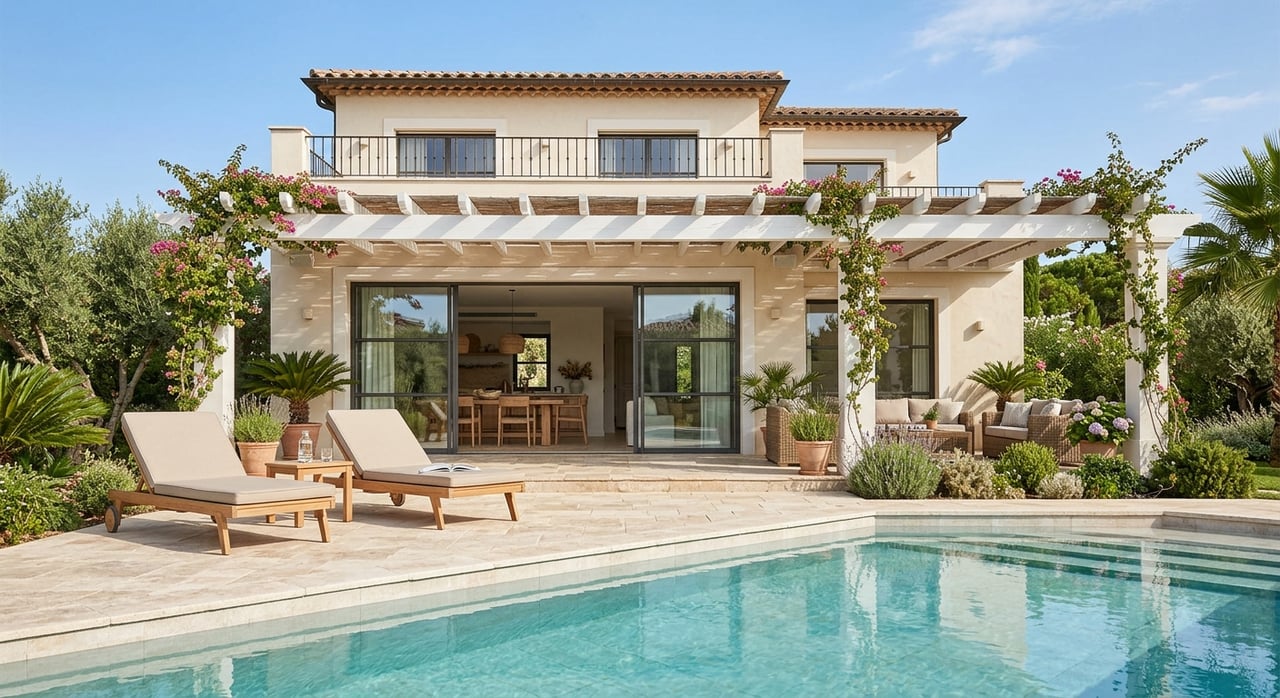
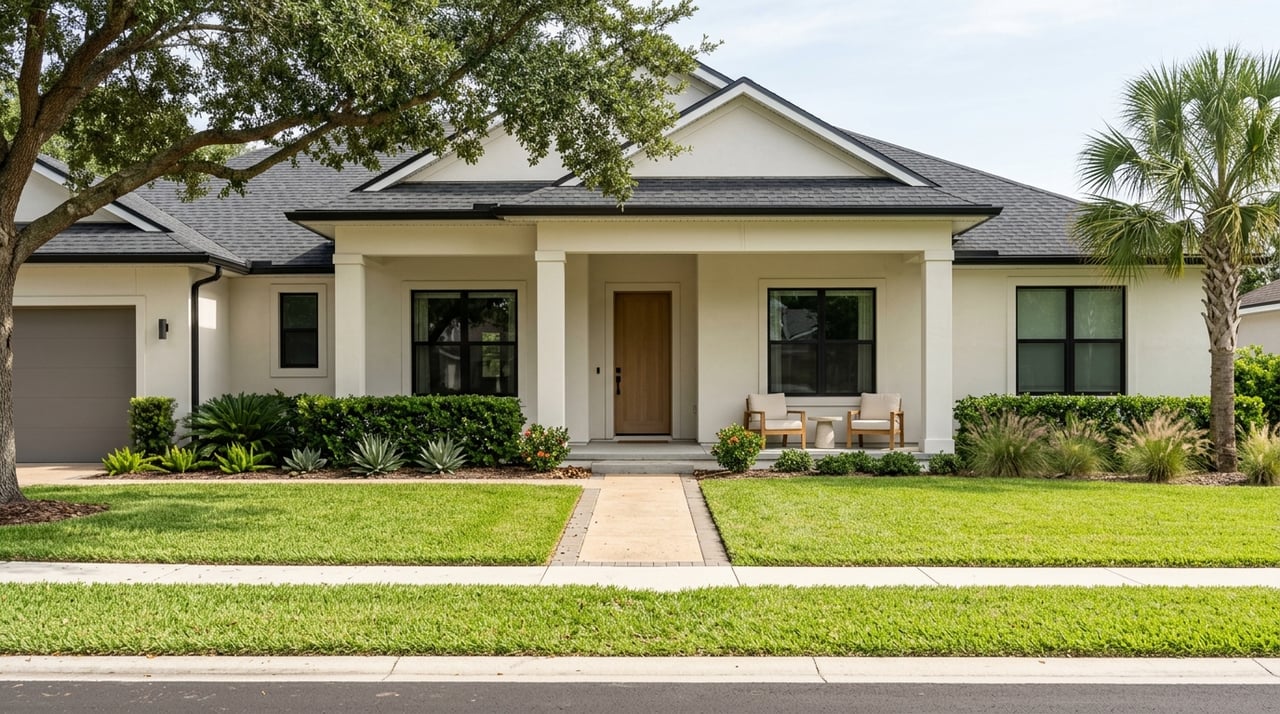
A broad but accurate way to think about Polk County housing is this: you will find historic in-town homes, lake-adjacent neighborhoods, and larger suburban or newer-construction options. The county’s permit activity supports the idea that new inventory remains part of the local housing picture.
That variety can be helpful if you are relocating from out of state and still figuring out your priorities. Some buyers want character and an established in-town setting. Others want a newer layout, more square footage, or a home that better fits a work-from-home setup.
This is where local guidance matters. A home that looks similar online can feel very different in person once you factor in commute patterns, lake proximity, traffic flow, lot use, and neighborhood layout.
Costs and ownership basics to know
One of the biggest headline differences for many out-of-state buyers is that Florida does not have a personal state income tax. For some households, that becomes a meaningful part of the overall relocation math.
Still, it is smart not to stop at list price. Polk County Property Appraiser materials make clear that a homestead exemption can reduce assessed value by up to $50,000 on a primary residence. The same office also explains that a prior Florida homestead’s accumulated Save Our Homes benefit may transfer up to $500,000 to a new Florida homestead if the move happens within three years.
That means your monthly carrying costs depend on more than the asking price. If this will be your primary residence, homestead status and the local taxing authorities involved can affect the long-term numbers in a meaningful way. The Property Appraiser also notes that it values property but does not set tax rates, which is another reason buyers should review ownership costs carefully.
Getting around and staying connected
Relocating buyers often ask whether Polk County feels too far from the action. In practice, many people choose it because of that middle-ground location. You are not in Tampa or Orlando, but you still have access to both regions through the county’s transportation network.
Air travel is part of that picture too. Lakeland Linder International Airport is about four miles southwest of Lakeland’s central business district and currently offers commercial service through Avelo Airlines. Polk County is also roughly an hour from Tampa International Airport and Orlando International Airport.
For healthcare and public services, the county has major infrastructure in place. Polk County Public Schools serves more than 117,000 students across more than 120 schools. Lakeland Regional Health says its medical center is a 910-bed hospital and a Level II Trauma Center, while AdventHealth says its Polk County network includes two full-service hospitals, sixteen primary and specialty locations, and several urgent care sites.
A simple way to narrow your search
If you are just getting started, it helps to narrow your search based on how you want to live, not just where the home looks best online. A simple framework can make your early search much easier.
Choose your top priority
Ask yourself what matters most in the first year after your move. That might be commute convenience, lake access, historic character, newer construction, or proximity to major services and shopping.
Match the city to your lifestyle
Lakeland often fits buyers who want the broadest mix of amenities and housing styles. Winter Haven often fits buyers who want a stronger lake-and-recreation feel. Bartow often fits buyers who prefer a smaller, more historic county-seat setting.
Review total monthly costs
Look beyond the purchase price. Compare taxes, insurance, and whether the property will qualify as your primary residence for homestead purposes.
Visit with a local plan
When you tour from out of state, use your time wisely. Compare a few distinct areas, drive the main roads at different times of day, and pay attention to what your everyday routine would actually feel like.
Why local guidance matters in a relocation move
Moving across state lines comes with extra layers. You are not just choosing a house. You are learning a new county, adjusting to a different climate, understanding Florida ownership rules, and trying to avoid expensive mistakes from a distance.
That is why many buyers benefit from working with someone who knows Polk County at the neighborhood level. Brian Stephens brings decades of local market experience along with a builder-family background, which can be especially helpful when you are comparing home styles, condition, pricing, and long-term fit across Lakeland and the surrounding county.
If you are planning a move to Polk County, a good next step is to talk through your timeline, budget, and target areas before you book showings. Reach out to Brian Stephens for practical, local guidance that helps you relocate with more clarity and confidence.
FAQs
What is Polk County, Florida like for out-of-state buyers?
- Polk County offers a mix of historic in-town homes, lake-adjacent neighborhoods, and newer-construction options, with access to both Tampa and Orlando and a lower median home value than Florida statewide.
What are the main cities to compare in Polk County?
- Most relocating buyers compare Lakeland, Winter Haven, and Bartow because they differ in size, housing character, amenities, and overall lifestyle.
What is the weather like in Polk County, Florida?
- Polk County has a hot, humid Central Florida climate with mild winters, wet summers, and an Atlantic hurricane season that runs from June 1 through November 30.
Are home prices in Polk County lower than Florida overall?
- Based on 2024 Census figures, Polk County’s median owner-occupied home value was $266,500, compared with Florida’s statewide median of $359,000.
What should out-of-state buyers know about Florida taxes in Polk County?
- Florida does not have a personal state income tax, and primary-residence buyers may want to review homestead exemption rules and carrying costs when planning their move.
What makes Lakeland a popular relocation choice in Polk County?
- Lakeland is the county’s largest city, sits along I-4 between Tampa and Orlando, offers a wide range of amenities, and includes both historic housing areas and strong everyday service access.