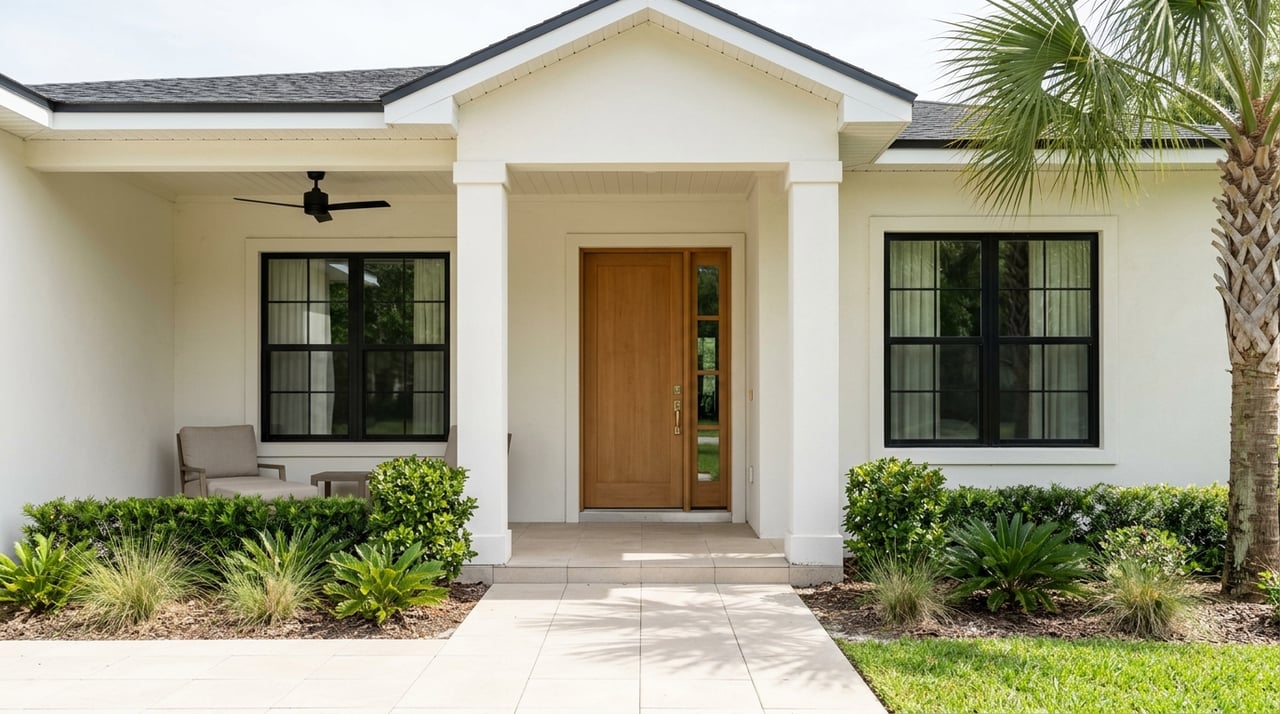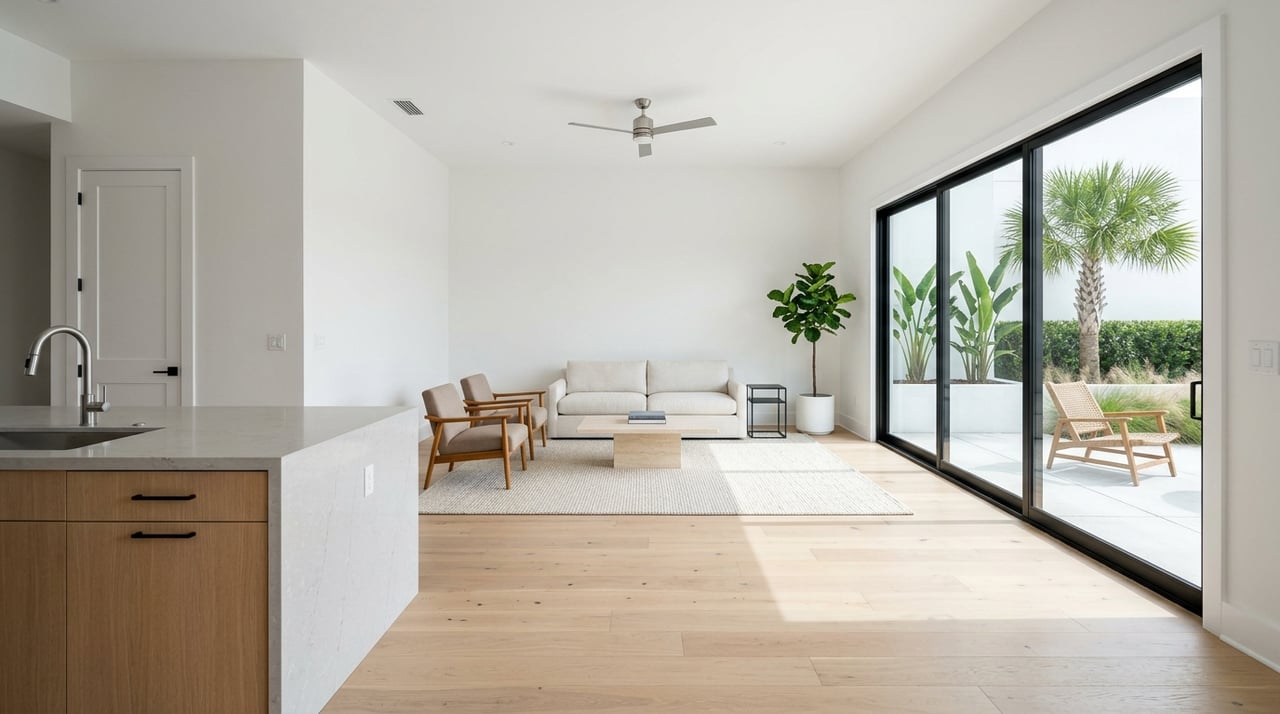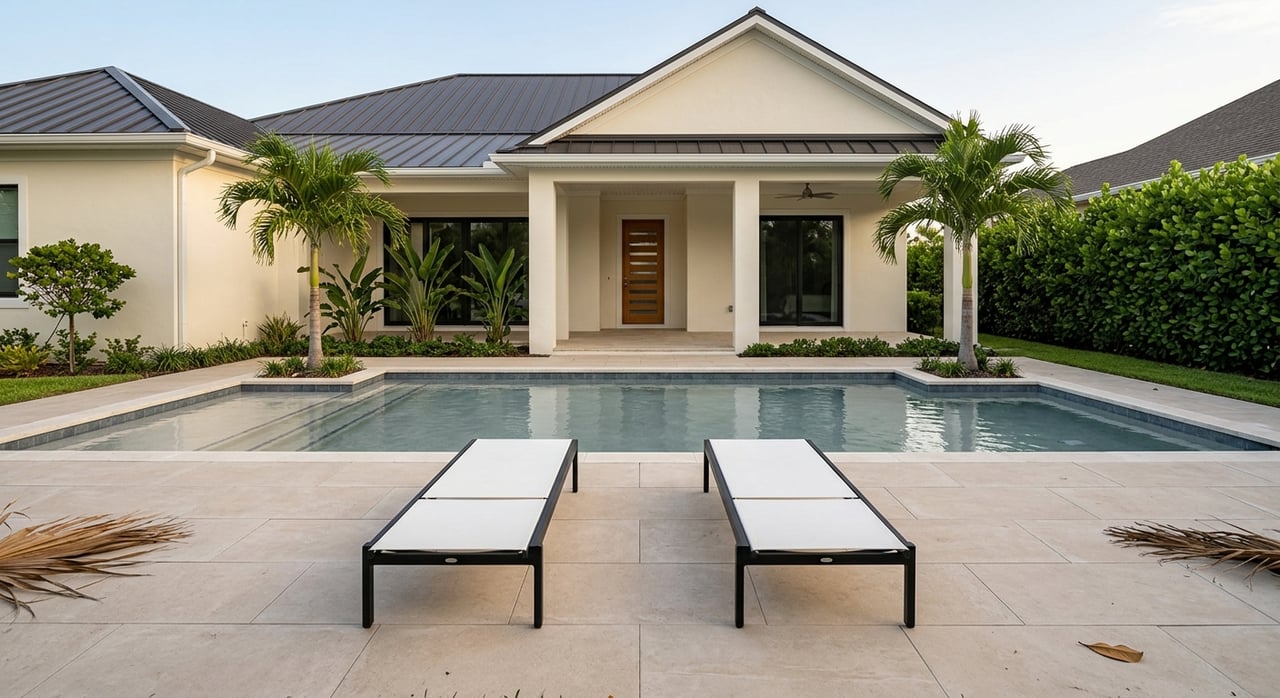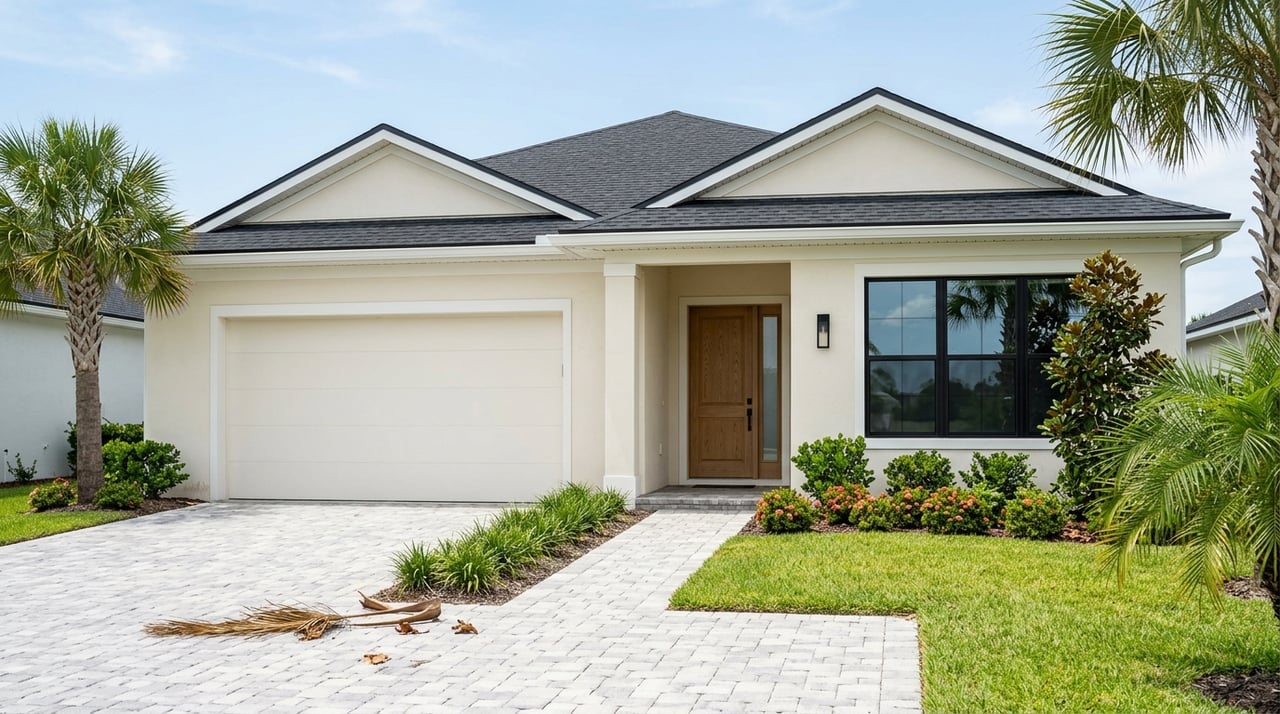
Trying to choose between a charming older home near downtown and a newer build with modern systems? In Bartow, that is a real decision, not a niche one. You have meaningful options on both sides, and each path comes with clear tradeoffs in maintenance, efficiency, and day-to-day living. If you want to buy with confidence, it helps to understand how Bartow’s housing stock is shaped and what to check before you make an offer. Let’s dive in.
Bartow gives you real choices
Bartow has a strong historic identity, with many homes dating back to the late 1800s and early 1900s. The city highlights its historic homes as part of its community story, and National Register materials describe historic residential buildings from roughly 1886 to 1935, with the South Bartow Residential District spanning about 1885 to 1941.
At the same time, Bartow also has a notable share of newer housing. ACS 2024 data reported by Census Reporter shows 8,019 housing units in the city, with a 73% single-unit share, a 65.9% owner-occupied rate, and a median owner-occupied home value of $234,100. The same data shows a sizable newer-home cohort, including 44% built from 2010 to 2017 and 19% built since 2021.
That mix makes Bartow unusual in a helpful way. You are not forced into one housing style or one era of construction. Instead, you can compare historic character and newer convenience side by side.
Historic homes in Bartow
What historic homes often look like
Bartow’s historic homes are usually one- to three-story residences built in the late 19th century through the first part of the 20th century. National Register materials describe common features such as gable or hip roofs, porches, wood-frame construction, and double-hung wooden sash windows.
Some homes have simple rectangular layouts, while others include irregular footprints or larger two-story forms with one-story extensions. That variety can give older parts of Bartow a less standardized look than a modern subdivision. If you are drawn to architecture and street character, this is often where historic homes stand out.
Why buyers love older homes
Historic homes often appeal to buyers who want more than square footage alone. You may be looking for a front porch, original details, or a location close to Bartow’s historic core and downtown fabric.
For many buyers, the appeal is emotional and practical at the same time. A home with mature neighborhood character can feel distinct from a newer, more uniform streetscape. If long-term charm matters to you, an older home may be the better fit.
What to watch for in a historic home
Older homes usually require closer inspection and more ongoing attention. In Bartow, that can mean paying extra attention to roofs, porches, paint, windows, drainage, crawlspace ventilation, and moisture management.
UF/IFAS notes that termites are attracted to moisture and food, and it recommends regular inspections, keeping at least 6 inches of inspection space between soil and exterior wall covering, avoiding wood-to-ground contact, and directing water away from the foundation. In Florida, a WDO inspection is also a state-regulated inspection category, which makes it especially relevant for older wood-based construction.
Another major issue is permit history. The City of Bartow requires permits before most construction, alteration, repair, replacement, demolition, or occupancy changes, and the city warns that unpermitted work can create future sale and insurance problems. If you are considering an older home, ask for records and documentation early.
Historic district rules matter
Not every older home is in a designated historic district, but if one is, exterior changes may face additional review. Bartow’s Historic Architectural Review Board has authority over alterations, demolitions, relocations, and new construction within designated historic district boundaries.
That does not mean you should avoid a historic home. It simply means you should go in with clear expectations. If you plan to update the exterior, replace features, or make major visual changes, you may have an added layer of review compared with a non-historic property.
Newer homes in Bartow
What newer homes often offer
Newer construction in Bartow is shaped by active city planning and development review. The city’s current framework supports a broader mix of residential types, including detached homes as well as townhouses, duplexes, two-family units, zero-lot-line development, and condominiums.
That means newer homes in Bartow may not all look the same. Depending on the area, zoning, and platting, you may find standard detached homes, smaller-lot products, or more compact attached formats. It is smart to judge each property on its own lot, layout, and rules instead of assuming every newer area offers the same experience.
Why buyers choose newer construction
For many buyers, newer homes offer more predictability. New construction starts with a current code-based efficiency baseline, and Florida’s statewide energy code covers items like insulation, windows, air infiltration, HVAC, and related thermal performance features.
Florida law also requires an energy performance level display card to be completed and certified by the builder before final occupancy approval. In practical terms, that often means a newer home is more likely to begin with more consistent efficiency and fewer immediate replacement concerns than a much older house.
What to confirm before you buy new
Newer does not mean maintenance-free. Builder quality, drainage, lot layout, warranty coverage, and any HOA or architectural rules can still affect your ownership experience.
Before you move forward, verify the builder warranty, final inspection status, energy-performance documentation, lot survey, drainage plan, and any community guidelines that could affect future exterior changes. Bartow’s building department permit and inspection process is the local framework that matters here.
Historic vs. newer: the biggest tradeoffs
Character vs. predictability
If you care most about architectural style, mature neighborhood feel, and closeness to Bartow’s historic core, a historic home may feel more rewarding. If you care most about newer systems, current-code efficiency, and fewer first-year surprises, a newer home may make more sense.
Neither option is automatically better. The right choice depends on what kind of ownership experience you want.
Upfront price vs. total ownership cost
The asking price is only part of the story. A historic home may need updates, ongoing maintenance, or efficiency improvements, while a newer home may come with a more predictable first few years of ownership.
That is why total ownership cost matters so much in Bartow. You should compare likely repairs, utility performance, permit-related work, and future changes over the time you expect to own the home.
Flexibility vs. review requirements
A newer home outside the historic core may offer a simpler path for exterior updates, depending on the property and any community rules. A historic home in a designated district may involve more design review for visible changes.
If you already know you want to remodel or change exterior features, this issue should move near the top of your checklist. It can affect your timeline, budget, and renovation plans.
How to choose the right fit
A historic home may fit you if
- You value original architecture and older neighborhood fabric
- You are comfortable with more maintenance and inspection detail
- You want to be near Bartow’s historic downtown setting
- You are prepared to review permits and renovation history carefully
- You can plan for long-term upkeep and targeted upgrades
A newer home may fit you if
- You prefer current-code efficiency and newer systems
- You want fewer near-term repair surprises
- You like a more predictable maintenance profile
- You want to compare different lot sizes and housing formats
- You value a simpler move-in experience
Your timeline matters too
If you expect to stay a long time and you love architectural character, a historic home can be a strong match. Bartow’s preservation and redevelopment goals are built around protecting and reinvesting in existing housing stock, which supports that long-view approach.
If you expect a shorter holding period or want to reduce first-year repair risk, newer construction may be the more practical choice. That does not guarantee lower costs, but it often lines up better with buyers who want fewer unknowns up front.
Smart due diligence for Bartow buyers
Checklist for historic homes
- Confirm whether the home is in a designated historic district
- Request permit history and contractor documentation
- Inspect roof age and condition
- Look closely at porches, windows, drainage, and moisture-prone areas
- Order a WDO inspection
- Check for wood-to-ground contact and signs of moisture issues
Checklist for newer homes
- Verify builder warranty coverage
- Confirm final inspection status
- Ask for energy-performance documentation
- Review the lot survey and drainage plan
- Check for HOA or design guidelines
- Evaluate the actual yard size, setbacks, and privacy on that parcel
Checklist for both types
- Compare total ownership cost, not just list price
- Budget for likely maintenance over your expected holding period
- Review permit records through the city process
- Use inspections to understand replacement timelines for major systems
- Match the home to your comfort level with upkeep and future projects
Final thoughts on buying in Bartow
In Bartow, choosing between a historic home and a newer one is really about choosing the ownership experience that fits you best. Older homes can offer charm, variety, and a strong sense of place, while newer homes often bring better baseline efficiency and fewer immediate maintenance questions.
The key is to look past labels and study the actual property in front of you. With the right due diligence and local guidance, you can make a smart choice that fits your budget, your plans, and your comfort with upkeep. If you want help comparing Bartow homes with a practical, construction-informed lens, connect with Brian Stephens.
FAQs
What makes Bartow historic homes different from newer homes?
- Bartow historic homes often feature older architecture, porches, wood-frame construction, and more varied layouts, while newer homes are more likely to offer current-code efficiency, newer systems, and a more predictable maintenance profile.
Should you get a WDO inspection when buying a historic home in Bartow?
- Yes. In Florida, WDO inspections are a state-regulated inspection category, and they are especially important for older homes where moisture, termites, and wood-decay concerns may be more relevant.
Are all older homes in Bartow in a historic district?
- No. Some older homes may be within designated historic district boundaries, but not every older home is. You should confirm district status for any property you are considering.
What should you verify on a newer home in Bartow?
- You should verify the builder warranty, final inspection status, energy-performance documentation, lot survey, drainage plan, and any HOA or design guidelines that may affect future changes.
Is newer construction always more efficient in Bartow?
- Newer homes generally start with a current code-based efficiency baseline, but actual performance can still vary by builder quality, design, and how the home was completed and maintained.
How do you decide between a historic and newer Bartow home?
- Start with your priorities. If you value character and can handle more upkeep, a historic home may fit better. If you want newer systems and fewer near-term surprises, a newer home may be the better match.