Trying to choose between a home by the water and a home in a more conventional subdivision in Polk County? It sounds simple at first, but the day-to-day reality can feel very different depending on where you land. If you want a clearer way to think through the tradeoffs, this guide will help you compare lifestyle, maintenance, commute, and long-term fit so you can make a decision with confidence. Let’s dive in.
Polk County Offers Two Distinct Lifestyles
Polk County has a real split in how it feels from one area to another. The county sits between Orlando and Tampa along the I-4 corridor, with more rapidly urbanizing communities in the north and more rural land south of State Road 60. That creates very different homebuying experiences depending on what kind of setting you want.
In Lakeland, that contrast becomes even more noticeable. The city includes 38 named lakes and seven local historic districts, which gives some neighborhoods a water-oriented, preservation-focused feel that is very different from a newer suburban subdivision. If you are deciding between lakeside and suburban living, you are really deciding how you want everyday life to look and feel.
Lakeside Living in Polk County
Lakeside living in Polk County often means more than just a water view. In Lakeland especially, it can mean being close to established neighborhoods, historic areas, and outdoor recreation that is built into your routine. That combination is a big reason many buyers are drawn to the area.
Lake Hollingsworth is one of the clearest examples. Florida Southern College notes that the lake supports kayaking, paddleboards, fishing, bird watching, picnicking, biking, and a three-mile paved walking path. If you want a neighborhood where getting outside feels easy and natural, that kind of setting can be a major plus.
Lake Morton offers a different kind of appeal. It is closely tied to Lakeland’s swan identity, and the area is part of the city’s historic preservation system. That means the neighborhood experience can feel more rooted, established, and visually distinct than what you may find in a newer subdivision.
What Lakeside Buyers Often Love
Buyers who prefer lakeside living are often drawn to a few common benefits:
- Scenic views and daily connection to the water
- Walkable recreation, like paths and outdoor gathering spaces
- Historic character in some central Lakeland neighborhoods
- A stronger sense of place tied to specific lakes and landmarks
For many people, those lifestyle features are worth a lot. They can shape how you spend your mornings, weekends, and even your sense of community.
Suburban Living in Polk County
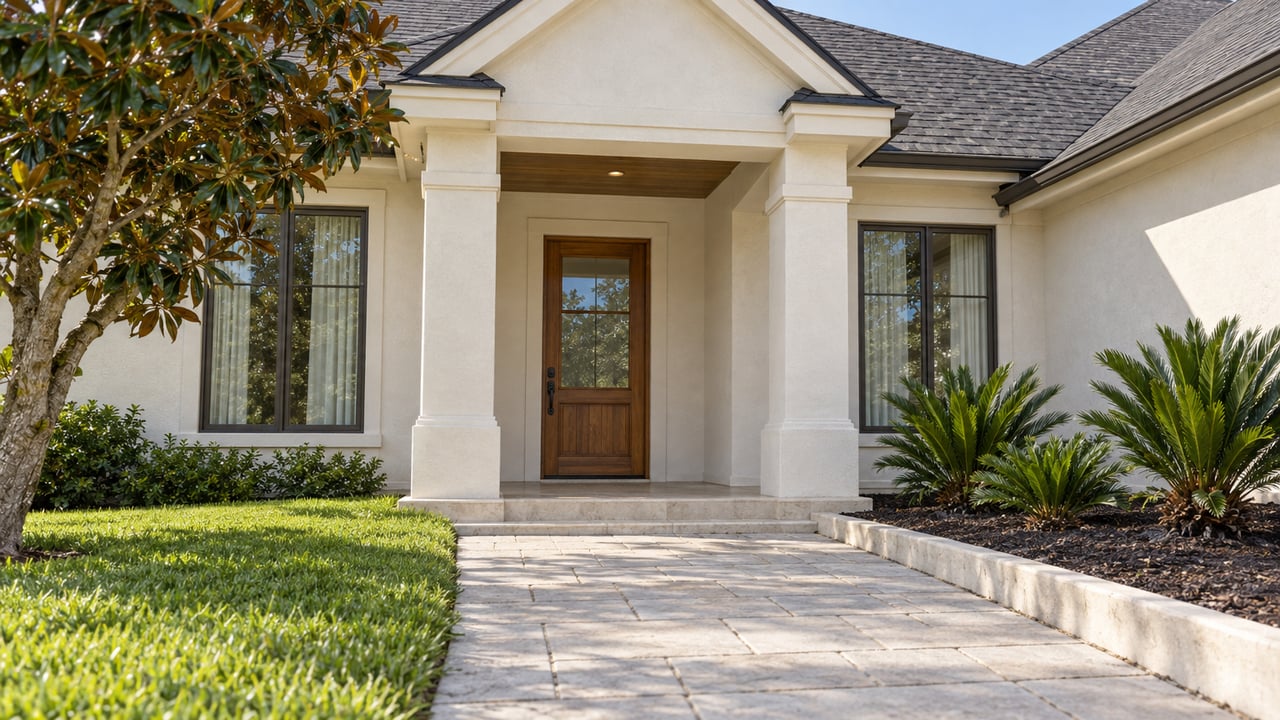
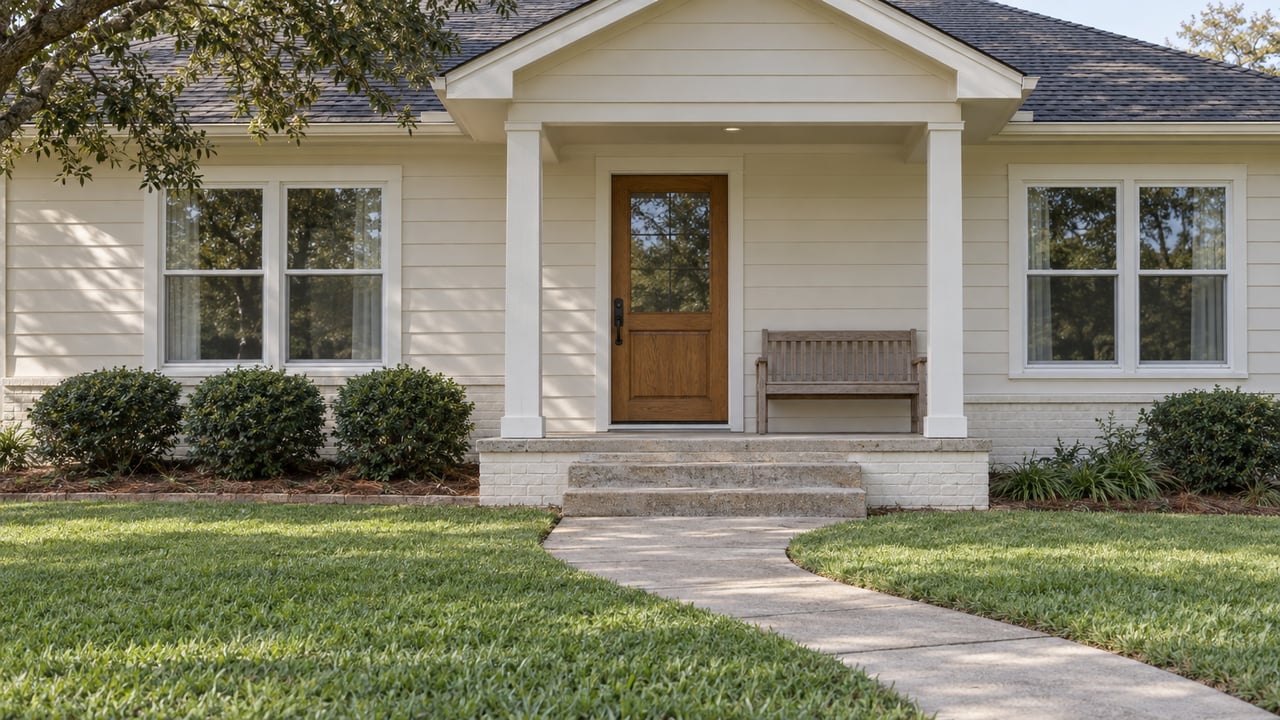
Suburban living in Polk County usually offers a more conventional ownership experience. Instead of being centered on a lakefront identity, these communities are often shaped more by road access, commuting patterns, and neighborhood amenities. That can be a better fit if you want practicality and predictability.
The county’s planning framework reflects that pattern. Polk County describes many northern communities as rapidly urbanizing, and its transportation planning covers roads, bridges, public transit, freight routes, trails, and bike and pedestrian networks. In daily life, though, most areas still lean heavily on driving.
That road-centered structure often makes suburban neighborhoods feel more straightforward for buyers who prioritize access. If you expect to spend a lot of time commuting across Polk County or toward major corridors, a suburban location may line up better with your schedule.
What Suburban Buyers Often Value
Suburban buyers often focus on features like these:
- Easier road access for daily driving
- More conventional subdivision layouts
- A simpler homeownership routine without shoreline issues
- Steady inventory in growth corridors
If your goal is a home that fits a familiar day-to-day rhythm, suburban neighborhoods can make that easier.
Historic District Rules Matter
One of the biggest differences between lakeside and suburban living in Lakeland is not just the home style. It is the rules that may come with the property. In historic districts, exterior changes can involve added review.
Lakeland says its historic district design guidelines apply to all historic districts and landmarks. New construction, exterior changes, and demolitions in those districts require Design Review and a Certificate of Review. Even items like fences and signage can trigger extra requirements.
That does not mean historic or lakeside living is a bad choice. It simply means you should go in with clear expectations. If you love older homes and preserved architecture, those rules may feel like part of what protects the area’s character.
Waterfront Ownership Comes With Extra Layers
If you are considering a lakefront or lake-adjacent home, maintenance and property decisions can get more complex. The City of Lakeland says lakeshore residents deal with changing environmental conditions, wildlife, recreational users, and government agencies. Shoreline projects also require permits.
Aquatic vegetation is regulated under FWC authority, and Lakeland monitors water quality on 15 major lake systems. The city also manages water levels on 14 lakes to help protect ecology and reduce flooding potential. In practical terms, that means lake living often comes with more environmental awareness than a typical subdivision home.
For some buyers, that is part of the appeal. For others, it can feel like one more layer of responsibility. The key is knowing which type of ownership fits your comfort level.
Suburban Maintenance Is Usually More Routine
In many suburban areas, the issues are more familiar. Polk County notes that roads may be maintained by the county, state, city, or a private entity such as a homeowner association. County roadway maintenance includes mowing rights-of-way, pothole patching, sidewalk repair, drainage repairs, tree trimming, and storm response.
For you as a buyer, that usually means looking closely at neighborhood rules, drainage, and general upkeep rather than shoreline permitting. It is still important to understand who maintains what, but the ownership experience is often more standardized.
Think About Commute and Daily Access
Your commute can shape how much you enjoy your home. Polk County’s transportation system includes public transit, trails, and bike and pedestrian networks, but most daily movement still revolves around driving. That matters when comparing a lake-centered neighborhood with a more suburban location.
Citrus Connection operates countywide service across the Lakeland and Winter Haven urbanized areas and rural parts of Polk County. Even with that service in place, many residents still choose neighborhoods based on road convenience first. If you need regular regional access, that can shift your priorities quickly.
Bartow highlights that road-based pattern well. As the county seat, it sits at the intersection of U.S. 98 and State Road 60, with thousands of government and private employees commuting there daily. If a simpler drive is high on your list, a suburban location may be easier to live with over time.
Where Lakeside Living Can Win
Lakeside neighborhoods may offer better neighborhood-level walkability, even if the broader region is still car-centered. The Lake Hollingsworth path gives residents a true local walking loop, which is a meaningful quality-of-life feature. If being able to walk, bike, or spend time outdoors near home matters to you, that can carry a lot of weight.
Budget Beyond the Purchase Price
When buyers compare lakeside and suburban homes, they often focus first on list price. In reality, the bigger difference may come from ownership costs and risk factors. That is especially true near the water.
Polk County says flood risk is a serious local issue near lakes, rivers, low areas, and drainage problems. The City of Lakeland participates in the National Flood Insurance Program and has floodplain regulations in place. Polk County also notes that most homeowners insurance does not cover flood.
If you are considering a lake-adjacent home, make room in your planning for:
- Flood-zone review
- Flood insurance questions
- Shoreline compliance considerations
- Ongoing property upkeep tied to water conditions
That does not mean lakeside homes are automatically harder to own. It means your budget should reflect the full picture, not just the mortgage payment.
Growth Patterns Support Suburban Options
Polk County’s recent growth data also helps explain why suburban choices remain strong. The Census Bureau’s QuickFacts estimates the county’s population at 874,790 in July 2025, and the county recorded 10,384 building permits in 2024. That points to continued development and a steady flow of conventional residential inventory in growth areas.
If you want more choices in newer housing patterns, suburban communities may give you more flexibility. That can be helpful if you are looking for a move-up home, a newer layout, or a setting that feels less tied to preservation rules.
How to Decide What Fits You Best
The right answer depends on how you want to live, not just what looks best online. A lakeside home may offer more scenery, walkability, and character, but it can also come with design review, shoreline rules, and flood-related questions. A suburban home may feel more predictable and commute-friendly, even if it gives up some of that daily connection to the water.
A simple way to decide is to rank your priorities. Ask yourself whether you care more about recreation and setting, or easier access and routine ownership. When you get honest about your daily habits, the right direction usually becomes much clearer.
Lakeside May Fit You Best If You Want:
- Water views and outdoor recreation close to home
- Historic character or established neighborhood identity
- Walkable features like lake paths and local gathering areas
- A home that feels distinctive, even with added rules
Suburban May Fit You Best If You Want:
- Easier driving access across Polk County
- A more conventional neighborhood layout
- Fewer water-edge regulations to manage
- More standard upkeep and ownership expectations
Choosing the right location is easier when you have someone who knows Polk County block by block and can help you look past the surface. If you are weighing lakeside versus suburban living in Lakeland or anywhere in Polk County, reach out to Brian Stephens for practical local guidance tailored to your goals.
FAQs
What is the main difference between lakeside and suburban living in Polk County?
- Lakeside living often offers water access, outdoor recreation, and in some Lakeland areas, historic character, while suburban living usually centers more on road access, conventional neighborhood layouts, and a simpler ownership routine.
Are historic district rules important in Lakeland lakeside neighborhoods?
- Yes. Lakeland says historic district guidelines can apply to new construction, exterior changes, demolitions, and even some features like fences and signage.
Do lakefront homes in Polk County come with extra maintenance concerns?
- Yes. The City of Lakeland says lakeshore residents may deal with environmental changes, wildlife, recreational users, permitting requirements, and shoreline management issues.
Is suburban living in Polk County better for commuting?
- It can be, especially if you want easier road-based access to major routes and employment centers across the county.
Should you budget differently for lakeside homes in Polk County?
- Yes. Buyers should consider flood-zone review, insurance questions, and possible shoreline compliance costs in addition to the purchase price.