Ask a title agent in Bartow what actually threatens a closing date these days, and price rarely comes up. The number both sides already agreed on. What kills a deal, or at least stalls it for two anxious weeks, is a form that shows up midway through underwriting: the four-point inspection. It checks four systems, roof, electrical, plumbing, and HVAC, and it doesn't care what the appraisal said or how much both sides liked each other during negotiations. It either passes or it doesn't, and if it doesn't, the buyer's lender won't release funds until an insurance binder exists, and no carrier will issue a binder on a flagged system.
That single form is why the headlines about Florida's insurance market getting better in 2026 matter less in Bartow than you'd expect. The rate cuts are real. But rate cuts answer a pricing question. Bartow's older housing stock has an eligibility problem, and those are two different mechanisms that happen to share a name.
Two Questions, Not One
A four-point inspection determines whether a home can be insured at all. A wind mitigation inspection determines how much that insurance costs once eligibility is settled. Confusing the two is the most common mistake buyers and sellers make in a market like Bartow's, where the housing stock spans more than a century.
The four-point looks at exactly four things and nothing else:
- Roof: age, material, and visible condition. Insurers increasingly scrutinize asphalt shingle roofs once they approach 15 years old.
- Electrical: panel type and wiring material. Knob-and-tube, cloth-insulated wiring, and certain older panel brands are common reasons for a flat decline.
- Plumbing: pipe material and condition. Cast iron, galvanized steel, and polybutylene are the three materials that generate the most rejections statewide.
- HVAC: age and functionality, mainly as a proxy for water damage risk from an aging unit.
If any one of those fails, most carriers won't write a policy until it's fixed or replaced, regardless of what the wind mitigation report says. A brand new roof with full wind mitigation credits does nothing for a house that still has the original 1920s wiring behind the walls.
Bartow Splits Along a Line the Median Price Never Shows
Bartow's citywide numbers look like a single, coherent market. As of August 2026, homes here were listed at a median price of about $339,000, roughly $179 a square foot, with a typical 171 days on market, essentially unchanged from a year earlier. That median flattens two very different housing stocks into one number.
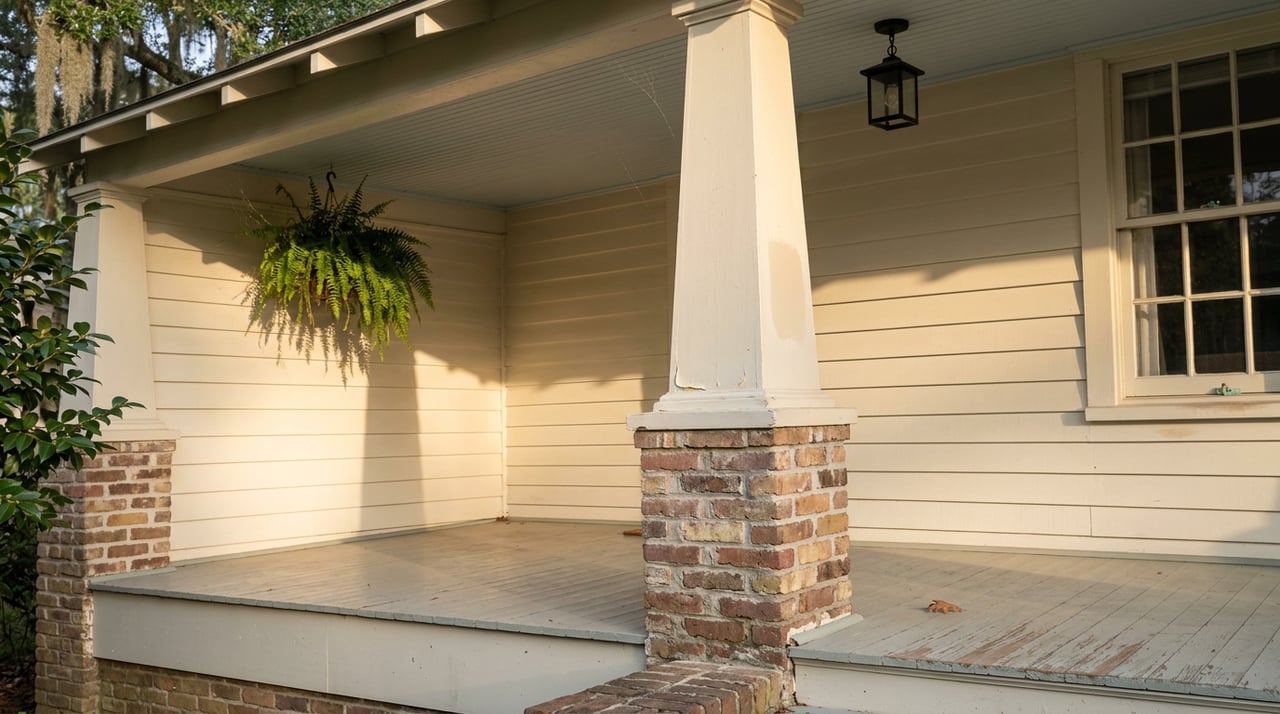
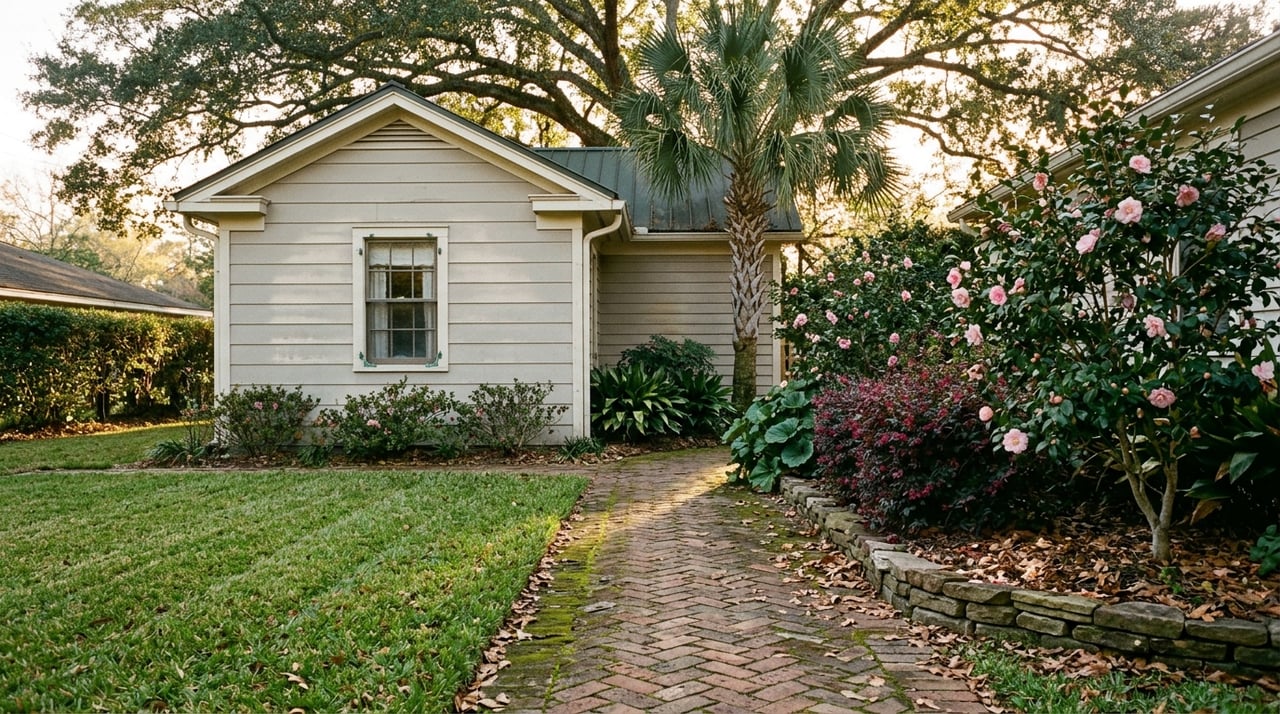
One is the historic core: downtown Bartow, the Northeast Bartow Residential District, and streets like East Stanford, where homes were built in the late 19th and early 20th centuries with the plumbing and wiring materials of their era still largely intact. Vintage listings in Bartow right now run at a lower median, around $316,000, and they tend to carry the specific baggage a four-point is designed to catch.
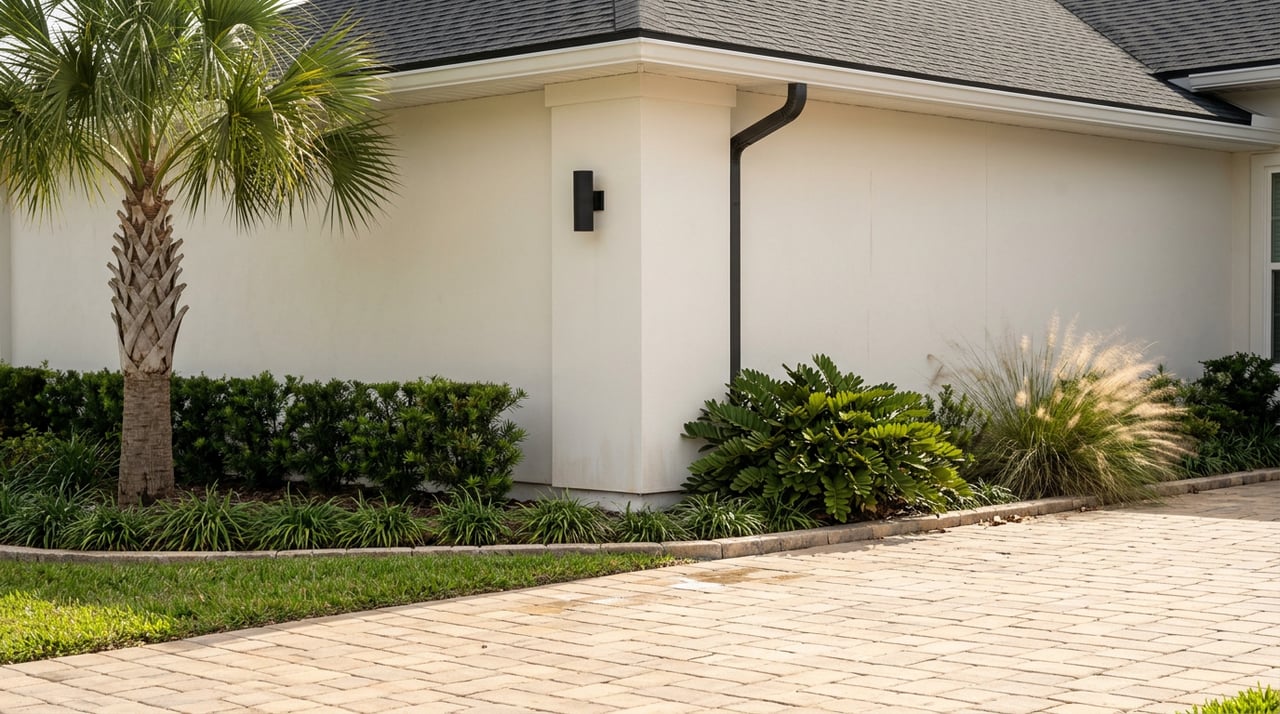
The other is the new construction corridor along EF Griffin Road, Homeland-Garfield Road, and the SR-60 approach, where communities like Thompson Preserve, James Farms, and Wind Meadows South were built under the current Florida Building Code. These homes come with hip roofs, engineered hurricane clips, and secondary water resistance already in place, the exact features that trigger wind mitigation discounts and that skip a four-point altogether if the home is under ten years old.
Here's how that plays out at the underwriting desk:
| Historic Core (Downtown, Northeast Bartow, East Stanford) | New Construction Corridor (EF Griffin Rd, Homeland-Garfield Rd, SR-60) | |
|---|---|---|
| Typical build era | Late 1800s to 1930s, with a scatter of mid-century homes | Built under current Florida Building Code |
| Systems that draw scrutiny | Cast iron or galvanized plumbing, knob-and-tube or ungrounded wiring, original roof coverings | Rarely flagged; systems installed to modern code |
| Four-point outcome | Almost always required, and often the deciding factor regardless of the home's age threshold | Usually skipped entirely on homes under ten years old |
| Wind mitigation credit | Limited unless retrofitted with a hip roof or updated openings | Substantial, often applied automatically at construction |
A buyer comparing a bungalow near downtown to a new build off SR-60 isn't just comparing style and square footage. They're comparing two different paths through underwriting, and only one of them is fast.
The Age Threshold Moved, But Bartow's Oldest Homes Never Cared About It
For years, the rule of thumb across Florida was simple: any home 20 years or older needed a four-point before a new carrier would touch it. That threshold has loosened heading into 2026. Several private carriers have pushed their requirement back to 25 or even 30 years, and some are now accepting older roofs with limited water coverage instead of declining coverage outright. Citizens Property Insurance still holds the line at 20 years for its own policies, which matters because Citizens remains the fallback option for homes the private market won't take.
That shift genuinely helps a slice of Bartow's housing stock, specifically the 20 to 25 year old homes built in the late 1990s and early 2000s that used to trigger an automatic four-point requirement and now might not, depending on the carrier. It does nothing for a 1915 Craftsman on Gordon Avenue or a Folk Victorian in the historic district. Those homes aren't failing because they're old. They're failing because of what's actually installed inside the walls, and no amount of threshold loosening changes the physical wiring or the pipe material sitting in the ground.
Meanwhile, the pricing side of the market genuinely improved this year. Citizens' board approved a statewide average rate reduction of 8.7 percent, which showed up in policies renewing this year starting at the June 1 effective date, and more than 330,000 policyholders across all 67 counties saw a decrease. That's real relief for anyone who already has a policy. It has no bearing on whether a home currently outside the insurance system can get in.
Rate Relief Doesn't Rewire a Bungalow
Florida's other major 2026 program, My Safe Florida Home, reopened in August 2025 and received more than $405 million in reappropriated funding earlier this year to clear a backlog of homeowners who'd completed inspections but never received their grant. It offers up to $10,000, with a two-to-one match for qualifying moderate-income homeowners, toward roof improvements, impact windows, and roof-to-wall connections.
That's meaningful money, and it's worth pursuing if you own an older Bartow home and qualify under the program's income limits. But look closely at what it funds: wind mitigation categories, the same ones that affect price, not eligibility. It doesn't touch the electrical panel or the plumbing lines that actually fail a four-point inspection. A homeowner in the historic district could use the full grant on impact windows and a hardened roof deck, improve their wind mitigation score meaningfully, and still fail the exact same four-point inspection they failed before, because the wiring behind the plaster walls never came up.
If you're buying or selling in Bartow's older neighborhoods, that distinction should shape your timeline, not just your budget.
What to Ask Before You Write the Offer or List the House
A few habits separate the closings that go smoothly from the ones that stall in week three of a thirty-day contract.
- Ask the inspector to run the four-point and wind mitigation reports at the same visit. They're separate documents, but ordering them together typically costs less than two standalone visits, and you'll have both in hand before you need either one.
- If you're the seller of an older Bartow home, pull together any records of panel replacement, repiping, or roof work before you list. A documented 2019 repipe answers the plumbing question before an underwriter has to ask it.
- If you're the buyer, don't wait until financing contingency deadlines are close to schedule the inspection. A failed four-point on a historic property can take weeks to resolve if it requires an electrician or plumber to make repairs before reinspection.
- If your home sits in the 20 to 25 year range, ask your insurance agent directly whether your target carrier still requires a four-point at that age or has moved its threshold. The answer varies enough by carrier that assuming either way can cost you time.
A Couple of Questions Worth Settling Early
Does passing a four-point mean my premium will be low? No. A four-point only determines whether you can get a policy in the first place. Your premium is set separately, largely by your wind mitigation report and your home's overall risk profile.
If a historic Bartow home fails its four-point, is it uninsurable? Not necessarily. Many carriers allow repairs and reinspection, and some now offer limited coverage with actual cash value roof endorsements instead of a flat decline. It usually means a delay, not a dead deal, but the delay is real.
Bartow's two housing eras are going to keep producing two different closing experiences no matter what the statewide rate story looks like this year. If you're weighing a historic property against new construction, or trying to time a sale around an insurance inspection, it helps to talk through the specifics with someone who tracks this market street by street. That's the conversation Brian Stephens has with Bartow buyers and sellers every week, and it's the one worth having before you're three weeks into a contract wondering why the closing date moved.