If you are drawn to Historic Lake Morton, you are probably not looking for a cookie-cutter house. You want character, location, and a home that feels connected to Lakeland’s history. The challenge is finding the right fit for how you actually live day to day. This guide will help you compare home styles, lot features, renovation limits, and location tradeoffs so you can choose with confidence. Let’s dive in.
Understand what Historic Lake Morton includes
Historic Lake Morton is generally understood as the East and South Lake Morton Historic Districts in Lakeland. According to the City of Lakeland, these districts sit primarily south and east of Lake Morton, north of Lake Hollingsworth, and west of Ingraham Avenue.
Much of the area developed during the Florida real estate boom of 1920 to 1926, although development began around 1906. That history matters because it explains why the neighborhood feels different from later subdivisions. You will see an urban pattern with a grid layout, alleys, sidewalks, many brick streets, narrow lots, and a mature tree canopy.
The city’s 2022 to 2023 resurvey documented 1,042 historical resources across East and South Lake Morton and recommended expanding both districts’ periods of significance to 1973. For you as a buyer, that means the historic fabric is broader than just the earliest homes. Some later homes may still be part of the district’s historic character.
Match the home style to your lifestyle
The right home in Lake Morton is not only about curb appeal. It is about how the house works for your daily routines, future plans, and comfort with upkeep.
Bungalows and Craftsman homes
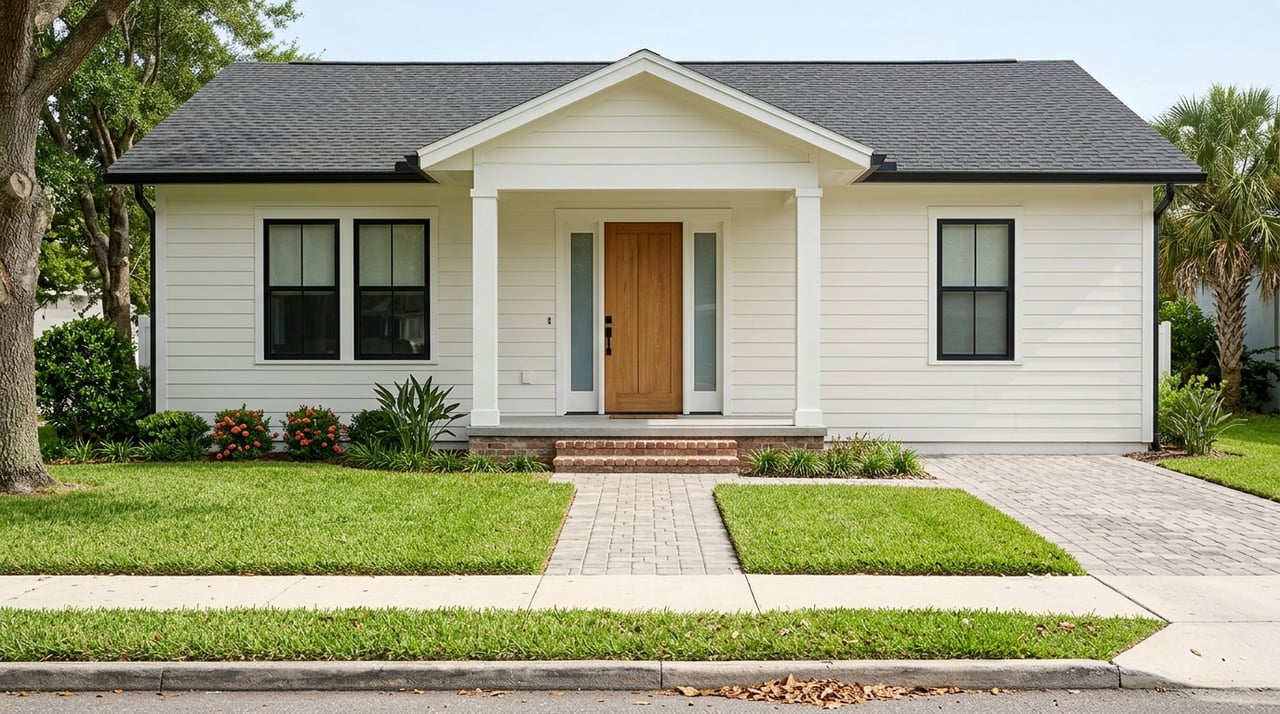
Bungalow and Craftsman homes are a major part of the area’s identity. These homes are often one to two stories and commonly feature front porches, gable or hip roofs, and exterior materials like wood siding, stucco, and brick.
If you love classic architecture and a welcoming front porch feel, this style may be a strong match. These homes often deliver charm in a manageable footprint, but you should still pay close attention to interior layout and storage.
Mediterranean Revival and statement homes
Mediterranean Revival is another defining style in the district. You will also find Classical Revival, Spanish Mission, Tudor Revival, Colonial Revival, and other higher-style homes, with a concentration of larger examples along Success Avenue in South Lake Morton.
These homes can be a great fit if you want more architectural drama or a larger-feeling residence. If you are drawn to standout details and a stronger visual presence, these blocks deserve a closer look.
Vernacular and later-era options
The districts also include frame vernacular, masonry vernacular, Ranch-era, and other post-war homes, especially in East Lake Morton. If you use the word “cottage” when house hunting, many of the smaller vernacular and compact bungalow homes will likely fit what you have in mind.
These options may appeal to you if you want historic character without taking on the scale of a larger showpiece home. They can also be worth exploring if you want a simpler exterior form or a more practical footprint.
Look closely at layout and livability
Many Lake Morton homes reflect older floorplan logic rather than modern open-concept design. That does not make them less desirable, but it does mean you should think carefully about how you live.
If you want a large family room, a main-floor primary suite, or a more modern bedroom split, you may need to focus on renovated interiors or later-era homes. Before you fall in love with the exterior, walk through the floorplan with your real life in mind.
Ask yourself a few practical questions:
- Do you need multiple work-from-home spaces?
- Do you prefer open sightlines between the kitchen and living areas?
- Are stairs a concern now or in the future?
- Do you want a guest suite or private primary retreat?
A beautiful historic home only becomes the right home if it supports the way you want to live.
Treat lot size and parking as major factors
Lot configuration can have a big impact on daily convenience in Historic Lake Morton. The district narratives describe lots as generally narrow and close to the street, though some East Lake Morton lots between East Lime Street and East Lemon Street are unusually deep and can reach up to 200 feet.
That variation matters more than many buyers expect. If you need space for multiple cars, a workshop, a pool, or a future addition, lot depth and off-street parking should move near the top of your priority list.
You may also see features such as:
- Porte cocheres n- Detached garages
- Attached carports
- One-car garages on later-style homes
In a historic neighborhood, parking is not a small detail. It can shape your daily routine, resale appeal, and renovation options.
Understand renovation rules before you buy
One of the biggest mistakes buyers make in historic districts is assuming they can change the exterior later without much review. In Historic Lake Morton, exterior work is regulated by the City of Lakeland.
The city requires design review and a Certificate of Review before projects that alter the exterior of a historic-district property, as well as before new construction, relocation, or demolition. Interior changes are not subject to design review, but exterior changes are.
The city also notes that major projects, such as additions and new principal buildings, require committee approval. Some minor items, including fences, sheds, swimming pools, windows, doors, and roofing, can often be handled administratively.
The permitting process adds another important layer. Exterior renovations, sheds, additions, demolitions, and new construction in historic districts require Historic Preservation Board approval before you submit a building permit application.
For you, the takeaway is simple: if you hope to expand a house, add a garage or carport, or make visible exterior changes, factor in review time, cost, and approval requirements before making an offer.
Compare location tradeoffs within the district
Not every part of Historic Lake Morton feels the same. The area’s location near downtown, cultural destinations, and the lakes creates meaningful differences from block to block.
Closer to downtown
Downtown Lakeland is described by the Lakeland CRA as a walkable redevelopment area centered around Munn Park, with specialty retail, dining, and a growing arts and entertainment scene. Homes closer to that edge may feel more connected to downtown activity and convenience.
If you like the idea of being near restaurants, events, and the energy of downtown, those blocks may be worth prioritizing. Just make sure that tradeoff matches your preference for day-to-day pace and privacy.
Deeper into the neighborhood
Interior streets may feel more residential and removed from downtown activity. If you want a quieter setting while still enjoying the district’s historic character, these locations may be a better fit.
This is where your personal priorities matter most. The right block for one buyer may feel too busy or too tucked away for another.
Near lakes, campus, and cultural landmarks
The district narratives identify Florida Southern College, the Lakeland Public Library, the Polk Museum of Art, and neighborhood commercial corridors on East Palmetto Street and Frank Lloyd Wright Way as part of the area’s special character. The South Lake Morton district also includes the Florida Southern campus boundary, which features nine Frank Lloyd Wright-designed buildings.
If walkability to institutions, cafés, and cultural destinations matters to you, location near these edges could be a strong advantage. If your goal is a more purely residential feel, you may prefer streets farther from those activity nodes.
Use a simple decision framework
When you tour homes in Historic Lake Morton, it helps to rank your priorities before you start comparing details. In this neighborhood, the best house is usually the one that best matches your order of priorities, not the one with the most charm at first glance.
A useful framework is to rank these five factors:
- Original character
- Parking and access
- Lot depth and yard use
- Renovation tolerance
- Proximity to downtown and amenities
If original character is your top priority, focus on bungalows, Craftsman homes, and other strongly preserved properties. If flexibility is more important, later updated homes may offer a better balance, though you should still verify district status and exterior review requirements.
Why local guidance matters here
Historic neighborhoods reward buyers who look beyond finishes and staging. In Lake Morton, you are not just choosing a house. You are choosing a specific combination of architecture, lot constraints, district rules, and location advantages.
That is where experienced local guidance can make a real difference. A knowledgeable agent can help you weigh charm against function, spot potential renovation hurdles early, and focus your search on the blocks and home types that fit your goals.
If you are thinking about buying in Historic Lake Morton, Brian Stephens can help you sort through the tradeoffs and find the home that fits both your lifestyle and your long-term plans.
FAQs
What kinds of homes are most common in Historic Lake Morton?
- Bungalow and Craftsman homes are a major part of the district, along with Mediterranean Revival, vernacular homes, and some later Ranch-era and post-war houses.
What should buyers check before choosing a Historic Lake Morton home?
- You should closely review the floorplan, parking, lot depth, yard use, and any renovation plans, especially if you hope to make exterior changes.
Do Historic Lake Morton homes have renovation restrictions?
- Yes. The City of Lakeland requires design review and a Certificate of Review for exterior changes in historic districts, and some projects also require Historic Preservation Board approval before permit submission.
Are lots in Historic Lake Morton large?
- Many lots are narrow and close to the street, though some East Lake Morton lots between East Lime Street and East Lemon Street are unusually deep.
Is Historic Lake Morton close to downtown Lakeland?
- Yes. The district sits next to downtown Lakeland, so some homes offer closer access to downtown dining, retail, and arts destinations than others.
How can buyers choose the right block in Historic Lake Morton?
- Start by deciding whether you value proximity to downtown and cultural destinations or prefer a more residential feel on interior streets.