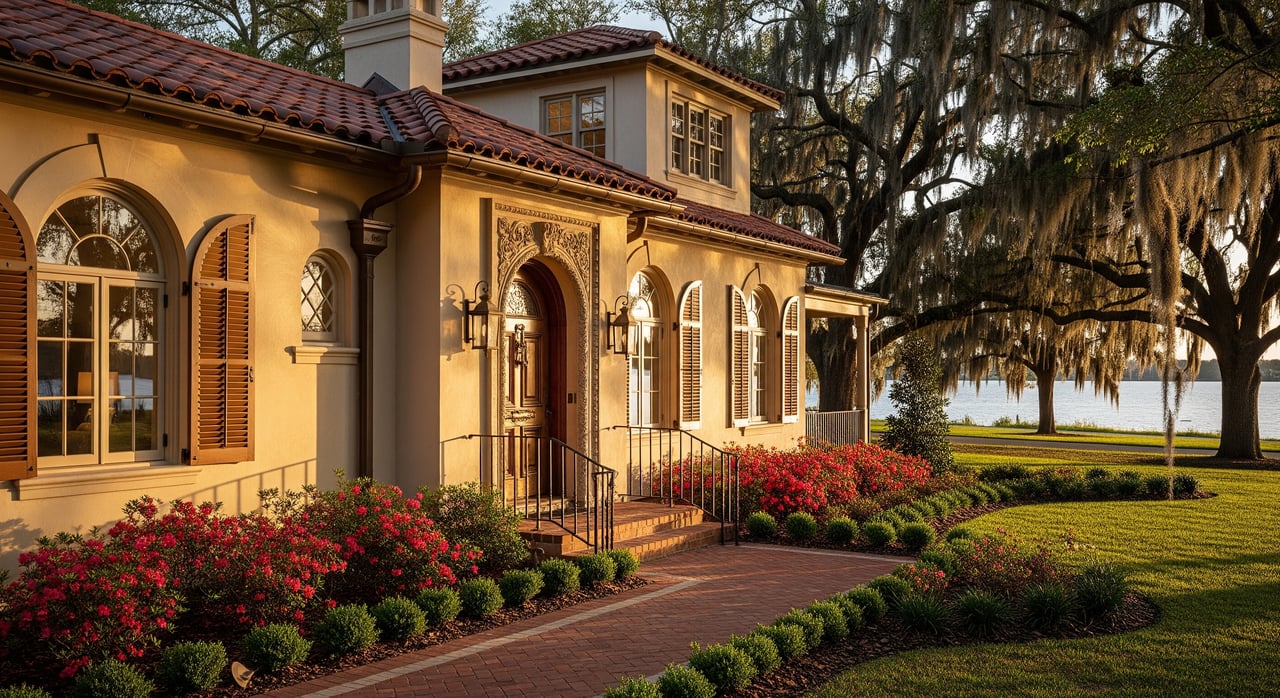
Thinking about freshening up your Lake Morton bungalow or adding a thoughtful upgrade before you sell? Historic charm is part of what makes this neighborhood special, and that means certain exterior changes may need city review before work starts. You want a smooth process that protects your timeline, budget, and the character that drew you here. This guide explains how historic designation works, what projects usually trigger review, the steps to get approvals, and practical tips to keep your project moving. Let’s dive in.
Historic designation 101
Understanding designation is your starting point. Some Lake Morton properties sit within a locally designated historic district. Others may be listed on the National Register only. The difference matters for permits and timelines.
- Local historic district: Expect local review for many exterior changes visible from the street. Most projects need a Certificate of Appropriateness, also called a COA.
- National Register only: Recognition alone typically does not restrict private owners unless federal funds or permits are involved.
If you are inside a local district, reviewers rely on the Secretary of the Interior’s Standards and local design guidelines to judge compatibility. The big idea is simple. Keep and repair historic features where possible, match the original appearance when you must replace, and make new work compatible and clearly of its time.
What work usually needs review
Every city’s ordinance is unique, so confirm your exact triggers with city staff. These categories commonly require approval when visible from public rights-of-way.
Windows
Windows are a defining feature. Reviewers look at pane patterns, sash proportions, and profiles. Repairs are preferred. If replacement is necessary, choose units that match the original look and operation. In Florida, impact-rated options are often acceptable when the visual match is strong.
Practical path: document existing conditions, price repair and replacement, and submit product data that shows muntin profiles, sightlines, and finishes. Consider interior or exterior storm windows to boost efficiency without replacing historic sash.
Roofing
Roof shape, material, and color shape your home’s silhouette. In-kind replacement is preferred when feasible. If that is not practical, compatible substitutes like properly profiled asphalt shingles may be allowed. Place solar panels and skylights on secondary roof planes when possible to reduce visibility.
Florida specifics matter too. Materials must meet wind and code requirements. A low-profile solar array and color-matched flashings can satisfy both performance and appearance.
Exterior paint and color
Some cities regulate paint color on visible facades and some do not. In Lake Morton, confirm with staff whether a COA is needed before you change colors. If review applies, plan to provide color samples. Choosing hues drawn from historic palettes often reads best on the street.
Porches, doors, and entries
Porch repairs, enclosures, rail and stair changes, and new door installations on street-facing elevations are often reviewed. The rule of thumb is to repair existing fabric. If you must replace, match the original design and detailing. Design accessibility improvements to be compatible and reversible when possible.
Additions and new outbuildings
Additions, garages, and new construction are reviewed for location, scale, massing, materials, and how they fit the streetscape. New work should read as compatible but distinct from the original house.
Fences, driveways, and site features
Front-yard fences, visible driveway surfaces, large landscape changes, and site lighting can trigger review. Keep front-yard elements in scale with the block and select materials that reflect the historic context.
Mechanical, solar, and storm-hardening
HVAC units, meters, satellite dishes, storm shutters, decks, and solar arrays should be placed out of direct street view where feasible. Impact windows, hurricane straps, and other upgrades are often compatible when they do not alter the visible character of the front facade.
The COA and permit process
A building permit and a COA are not the same thing. In most cases, you need the COA first. Here is a typical path to approval.
Step-by-step approvals
- Confirm designation and scope. Use the city’s historic district map and staff guidance to decide if you need a COA.
- Schedule a pre-application chat. A short call or meeting helps you avoid redesigns and sets your documentation plan.
- Prepare your COA package. Include photos, site plan or survey, elevation drawings, product data and color samples, a clear scope narrative, and contractor info.
- Submit for staff review. Staff checks completeness and may issue administrative approval or schedule you for a Historic Preservation Board hearing.
- Attend a board hearing if required. Some cases need neighbor notice and a public meeting.
- Receive your decision. Outcomes include approval, approval with conditions, a request for revisions, or denial.
- Apply for building permits. After COA issuance, submit permit applications to the Development Services team and complete inspections.
- Schedule work and final sign-off. Coordinate your contractor’s start with permit issuance and any conditions of approval.
How long it takes
Timelines vary by scope and meeting calendars. Plan for these general ranges.
- Pre-application scheduling: about 1 to 2 weeks.
- Administrative COA: often 1 to 4 weeks once the application is complete.
- Board review: allow 4 to 12 weeks depending on agendas and notice periods.
- Building permits: simple reroofs and window swaps may take a few weeks. Structural or addition work can take longer.
For projects needing board review and building permits, plan for 2 to 4 months before work starts. Small repairs with administrative approval can move in several weeks.
Fees, appeals, and enforcement
Expect COA and permit fees. If you disagree with a decision, most ordinances offer an appeal path. Never start work without approval. Working without required COAs can trigger stop-work orders, fines, and a requirement to undo completed work.
Smart planning tips for Lake Morton
A little prep goes a long way. Use these moves to save time and money.
- Start with staff. A quick consultation clarifies triggers, submittal needs, and whether your project can be approved administratively.
- Build the right packet. Include clear photos of existing conditions from the street, labeled drawings, product sheets, and color samples. For complex projects, old photos or plans that show original conditions can help justify in-kind work.
- Choose materials wisely. For windows, match sightlines, muntin profiles, and operation. For roofs, meet wind codes while matching the historic texture and color. For paint, test small patches and keep records of your final selections.
- Hire preservation-savvy pros. Contractors with historic experience can help you set realistic pricing and avoid common pitfalls.
- Sequence your schedule. Do not book a start date until you know when your COA and permits will be in hand.
Energy efficiency and storm resilience
You can improve performance without losing character. Repairs and incremental upgrades often avoid exterior changes and speed approvals.
- Air sealing and attic insulation usually do not trigger historic review and can produce quick wins.
- Weatherstripping and interior storm windows can raise comfort while preserving original sash.
- Impact-rated windows may be appropriate when replacements are necessary. Select profiles that match the original design and focus replacements on secondary elevations if visibility is a concern.
- Consider low-profile solar on non-primary roof planes to reduce visual impact.
Budgeting and costs
Preservation often prioritizes repair over standard replacement. That can mean higher labor or custom profiles but better long-term value. Build a contingency for revisions that may come out of staff feedback or board conditions. Coordinate contractor mobilization with your expected approval date to avoid idle crews.
Incentives and programs
Federal historic rehabilitation tax credits generally apply to income-producing properties, not owner-occupied single-family homes. Ask city staff and the Florida State Historic Preservation Office about any local grants, rebates, or streamlined reviews that may fit your project.
Real-world scenarios
Replacing windows on a 1925 cottage
You discover rot in several wood sash on your street-facing facade. Staff will likely encourage repair first. If replacement is unavoidable, submit specs for impact-rated windows that match the original pane divisions, profiles, and operation. Include photos and measured drawings. A strong visual match often supports approval.
Reroof with code-compliant shingles
Your roof needs replacement before hurricane season. Propose a shingle with a wind rating that meets code and a profile and color that reflect the original look. Keep new vents low profile and place solar on a secondary plane where possible.
Adding a rear porch
You want covered outdoor space that does not overwhelm the house. Place the porch at the rear, keep it one story, and use materials that complement the original home. Submit drawings that show massing, columns, rail details, and how the addition connects to existing walls. Compatibility and a clear hierarchy usually win the day.
Changing exterior paint
You want a lighter body color and a contrasting trim. First confirm whether paint color requires a COA in your case. If review is required, provide samples and photos that show how the new colors relate to surrounding homes. Historic palettes often read best on the block.
Avoid common pitfalls
- Skipping the pre-application conversation with staff.
- Ordering custom windows before approval.
- Proposing replacements that change the visible character of the front facade.
- Underestimating hearing schedules and notice deadlines.
- Starting work without a COA or permit.
Your next steps
- Confirm whether your property is within a local historic district. 2) Talk with preservation staff about your scope and submittal needs. 3) Build a complete COA packet so review stays on track. If you are planning to renovate before listing or want to understand how proposed work could impact resale, lean on a local advisor who understands both construction and market value.
Have questions about which upgrades add value in Lakeland and how to time them for a sale? Reach out to Brian Stephens for practical, construction-informed guidance tailored to your goals.
FAQs
Do I need approval to change my roof in Lake Morton?
- If your property is inside a locally designated historic district, visible roof changes typically require a COA before you apply for a building permit. Confirm your status with the city.
What is a Certificate of Appropriateness, and when is it required?
- A COA is local approval for exterior changes visible from public ways. Many projects in local historic districts need a COA before permits and work can begin.
How long does the historic review process take in Lakeland?
- Administrative approvals often take 1 to 4 weeks once complete. Cases that go to the Historic Preservation Board can take several weeks to a few months depending on schedules and notice.
Can I install impact windows or solar panels on a historic home?
- Often yes. The key is matching the original appearance on street-facing elevations and placing panels or equipment where they are less visible. Staff can advise on acceptable options.
What happens if I do work without historic approvals?
- You may face a stop-work order, fines, and a requirement to restore the property to its prior condition. Always verify requirements before starting construction.
Are there tax credits or grants for homeowners in Lake Morton?
- Federal tax credits generally apply to income-producing properties. Ask city staff and the Florida State Historic Preservation Office about local grants or incentives that may apply.
What is the difference between local and National Register designation?
- Local designation usually triggers review and a COA for visible exterior work. National Register listing recognizes significance but typically does not restrict private owners unless federal funds or permits are involved.